Tortuguero National Park
🇨🇷 Costa Rica
🐢 Green Turtles Nesting on Black SandTortuguero is the most important sea turtle nesting site in the Western Hemisphere, protecting 35 km of Caribbean beach where green, hawksbill, leatherback, and loggerhead turtles nest annually. The park's labyrinth of natural canals and lagoons — often called the "Amazon of Costa Rica" — shelters an extraordinary diversity of waterbirds, caimans, river otters, manatees, and three monkey species.
10.490° N 83.370° W
Wildlife
⭐ Iconic Species
 ★
★ Green Turtle
Chelonia mydas
 ★
★ Central American Spider Monkey
Ateles geoffroyi
 ★
★ Common Caiman
Caiman crocodilus
 ★
★ Great Green Macaw
Ara ambiguus
📊 Most Spotted

Green Iguana
Iguana iguana

Montezuma Oropendola
Psarocolius montezuma

Basiisk Verde
Basiliscus plumifrons

Black Vulture
Coragyps atratus

Strawberry Poison-dart Frog
Oophaga pumilio

Great Kiskadee
Pitangus sulphuratus

Mantled Howler Monkey
Alouatta palliata

Turkey Vulture
Cathartes aura

Anhinga
Anhinga anhinga

Brown Basilisk
Basiliscus vittatus

Bare-throated Tiger Heron
Tigrisoma mexicanum

Little Blue Heron
Egretta caerulea
⭐ Iconic Species
📊 Most Spotted
Mantled Howler Monkey
Alouatta palliata

Brown-throated Sloth
Bradypus variegatus

Central American White-faced Capuchin
Cebus imitator

Hoffmann's Two-toed Sloth
Choloepus hoffmanni

Proboscis Bat
Rhynchonycteris naso

Central American Agouti
Dasyprocta punctata

Mexican Hairy Dwarf Porcupine
Sphiggurus mexicanus

Northern Tamandua
Tamandua mexicana

Variegated Squirrel
Sciurus variegatoides

Jaguar
Panthera onca

Common Raccoon
Procyon lotor

Baird's Tapir
Tapirella bairdii
⭐ Iconic Species
📊 Most Spotted
Montezuma Oropendola
Psarocolius montezuma
Black Vulture
Coragyps atratus
Great Kiskadee
Pitangus sulphuratus
Turkey Vulture
Cathartes aura
Anhinga
Anhinga anhinga
Bare-throated Tiger Heron
Tigrisoma mexicanum
Little Blue Heron
Egretta caerulea

Keel-billed Toucan
Ramphastos sulfuratus

Great-tailed Grackle
Quiscalus mexicanus

Northern Jacana
Jacana spinosa

Tropical Kingbird
Tyrannus melancholicus

Black-mandibled Toucan
Ramphastos ambiguus
⭐ Iconic Species
📊 Most Spotted
Green Iguana
Iguana iguana
Basiisk Verde
Basiliscus plumifrons
Brown Basilisk
Basiliscus vittatus
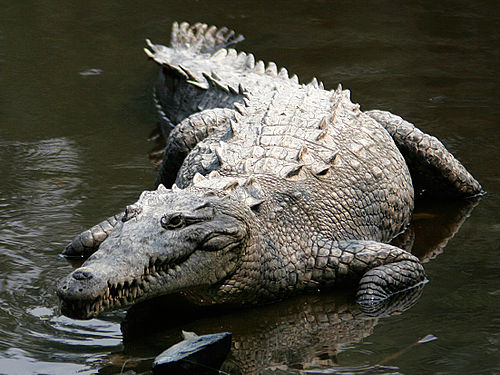
American Crocodile
Crocodylus acutus

Border Anole
Anolis limifrons

Middle American Ameiva
Holcosus festivus

Mourning Gecko
Lepidodactylus lugubris

White-throated Gecko
Gonatodes albogularis

Black Terrapin
Rhinoclemmys funerea

Blunthead Tree Snake
Imantodes cenchoa

Humble Anole
Anolis humilis

Central American Boa
Boa imperator
📊 Most Spotted
Strawberry Poison-dart Frog
Oophaga pumilio

Red-eyed Treefrog
Agalychnis callidryas

Savage's Thin-toed Frog
Leptodactylus savagei

Giant Marine Toad
Rhinella horribilis

Red-webbed Tree Frog
Boana rufitela

Sipurio Snouted Treefrog
Scinax elaeochroa

Fitzinger's Robber Frog
Craugastor fitzingeri

Eastern Masked Tree Frog
Smilisca manisorum

Harlequin Treefrog
Dendropsophus ebraccatus

Tink Frog
Diasporus diastema

Green Climbing Toad
Incilius coniferus

Vaillant's Frog
Lithobates vaillanti
Animal Events
Green Turtle Nesting Season
Under cover of darkness, hundreds of green turtles haul their massive bodies onto the black-sand beach, digging deep nests and laying clutches of eggs before slipping back into the surf. This is one of the Caribbean's most important nesting sites, and guided night walks let visitors witness the ancient ritual.
Great Green Macaw Nesting
One of the region's rarest and most spectacular parrots, the great green macaw pairs off to nest in the towering cavities of old canopy trees, its raucous calls echoing over the waterways. Watch for these vivid emerald giants flying in bonded pairs above the forest.
Waterbird Breeding Season
The flooded canals and lagoon edges come alive as anhingas, bare-throated tiger herons, and great egrets gather to court and nest, the egrets flushing with delicate breeding plumes. Boat trips glide past rookeries where these long-legged waders raise their young at the water's edge.

Sighting Calendar
Chance of spotting each species, month by month
Sighting Zones
Warm areas are where all species together are recorded most, so they track where people go as much as where animals are. For one species, see the map on its own page.
Where Wildlife Score
How good is this park for seeing wildlife?Biodiversity
ExcellentHow rich is the wildlife?
Sighting
ExcellentHow likely to see animals?
Quick answers
What animals can you see in Tortuguero National Park?
The most likely sightings are Green Iguana (seen by 70–80% of wildlife watchers), Montezuma Oropendola (seen by 70–80% of wildlife watchers), Common Caiman (seen by 70–80% of wildlife watchers), Basiisk Verde (seen by 70–80% of wildlife watchers), Black Vulture (seen by 70–80% of wildlife watchers) — among 1144 recorded vertebrate species, based on citizen-science data from GBIF.
When is the best time to visit Tortuguero National Park for wildlife?
March has the highest combined sighting rate for the park's top species in our month-by-month GBIF data. The full sighting calendar on this page shows each species' best months.
Can you see Green Turtle in Tortuguero National Park?
Yes — about 27% of wildlife watchers report a Green Turtle sighting in Tortuguero National Park, based on 45 days of visitor records from GBIF citizen-science data.
Can you see Central American Spider Monkey in Tortuguero National Park?
Yes — about 70% of wildlife watchers report a Central American Spider Monkey sighting in Tortuguero National Park, based on 317 days of visitor records from GBIF citizen-science data.
Can you see Common Caiman in Tortuguero National Park?
Yes — about 77% of wildlife watchers report a Common Caiman sighting in Tortuguero National Park, based on 426 days of visitor records from GBIF citizen-science data.
Can you see Great Green Macaw in Tortuguero National Park?
Yes — about 58% of wildlife watchers report a Great Green Macaw sighting in Tortuguero National Park, based on 185 days of visitor records from GBIF citizen-science data.
Explore Other Parks
 📍 77 km 🐦 Highland Hummingbirds & Quetzals
 Irazú Volcano National Park
 📍 83 km 🐦 Hummingbird & Toucan Cloud Forest
 Braulio Carrillo National Park
 📍 98 km 🐦 Fiery-throated Hummingbirds in Rainy Highlands
 Tapantí-Macizo de la Muerte National Park
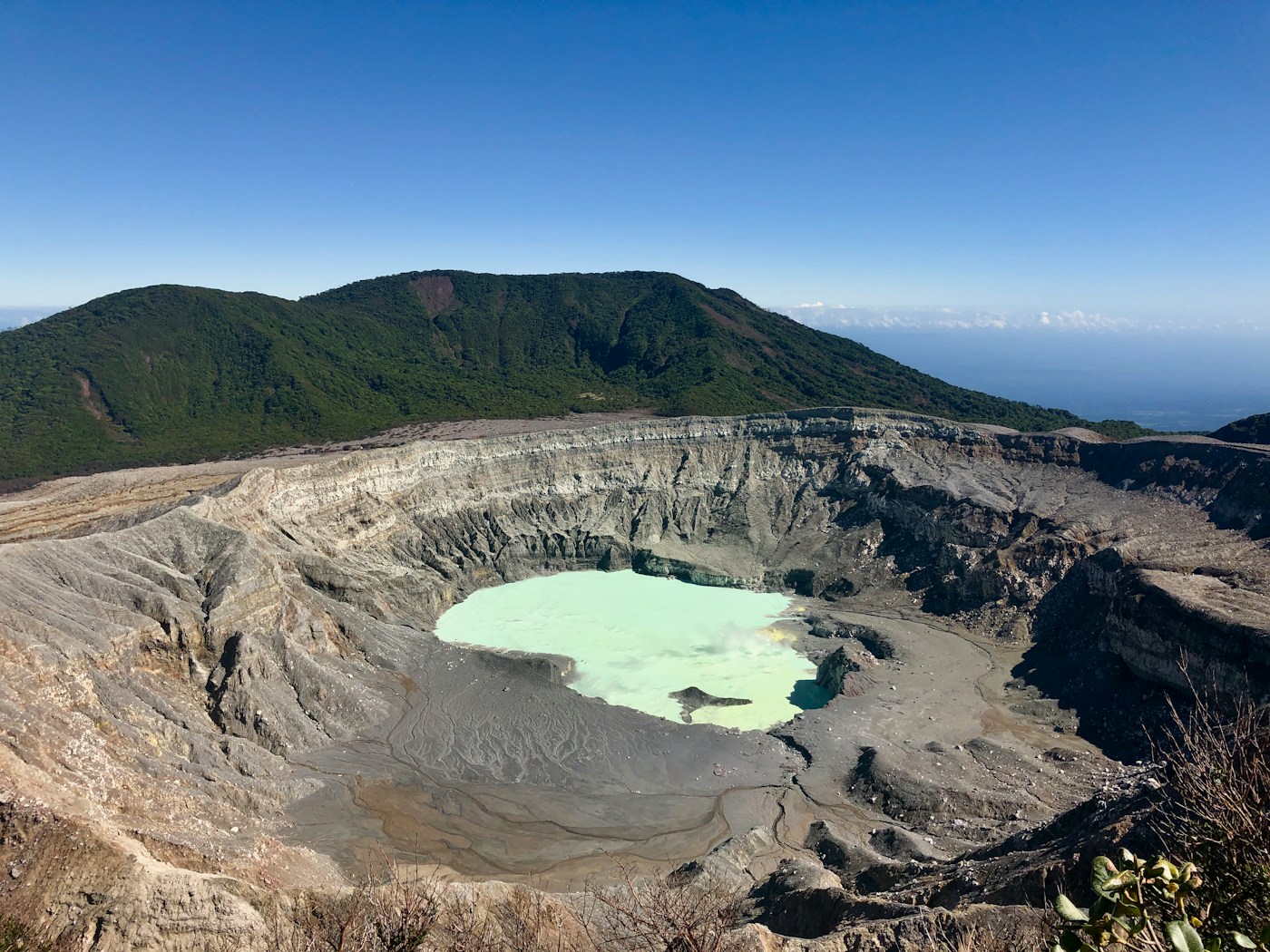 📍 99 km 🐦 Highland Hummingbird Cloud Forest