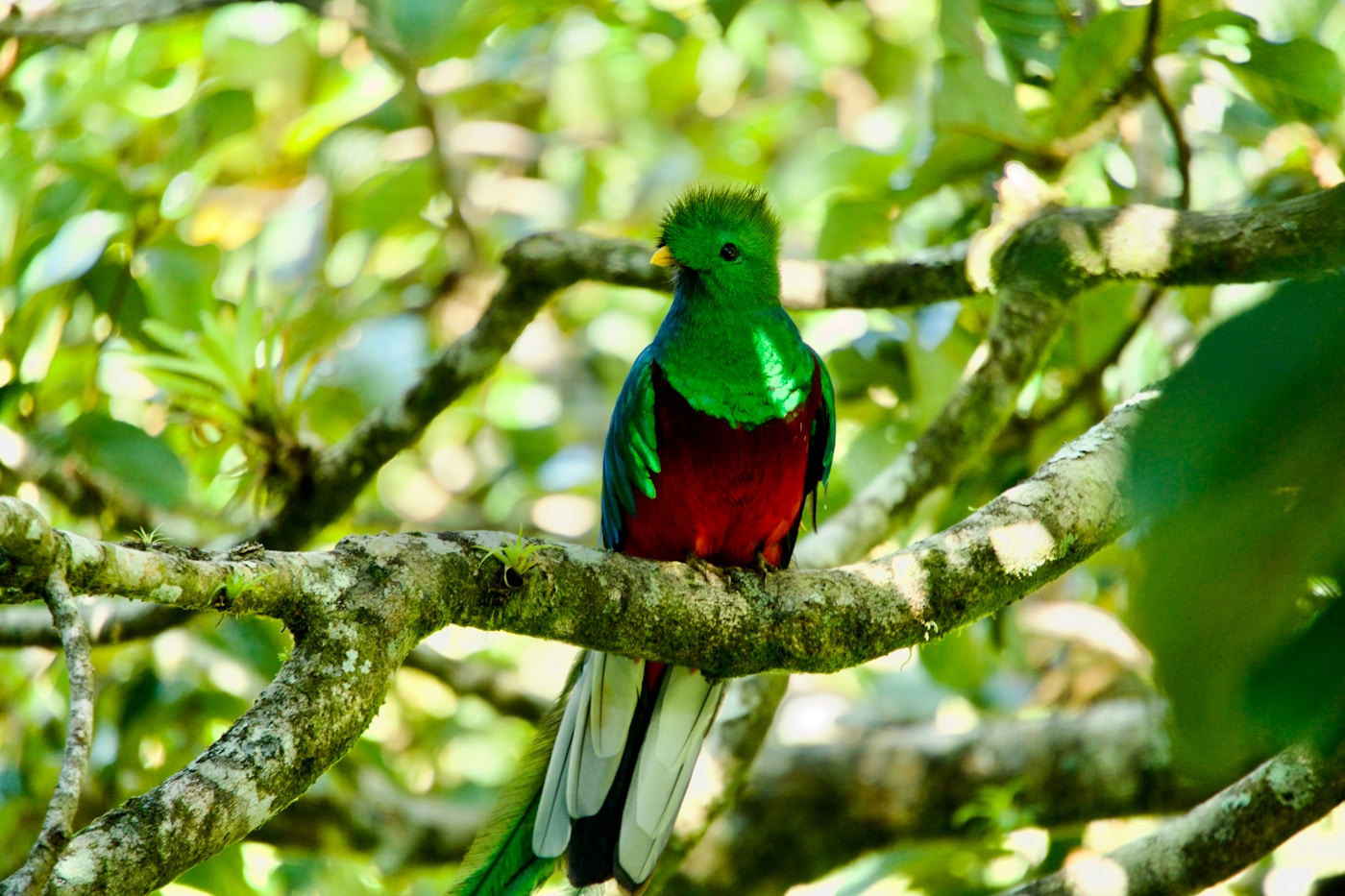
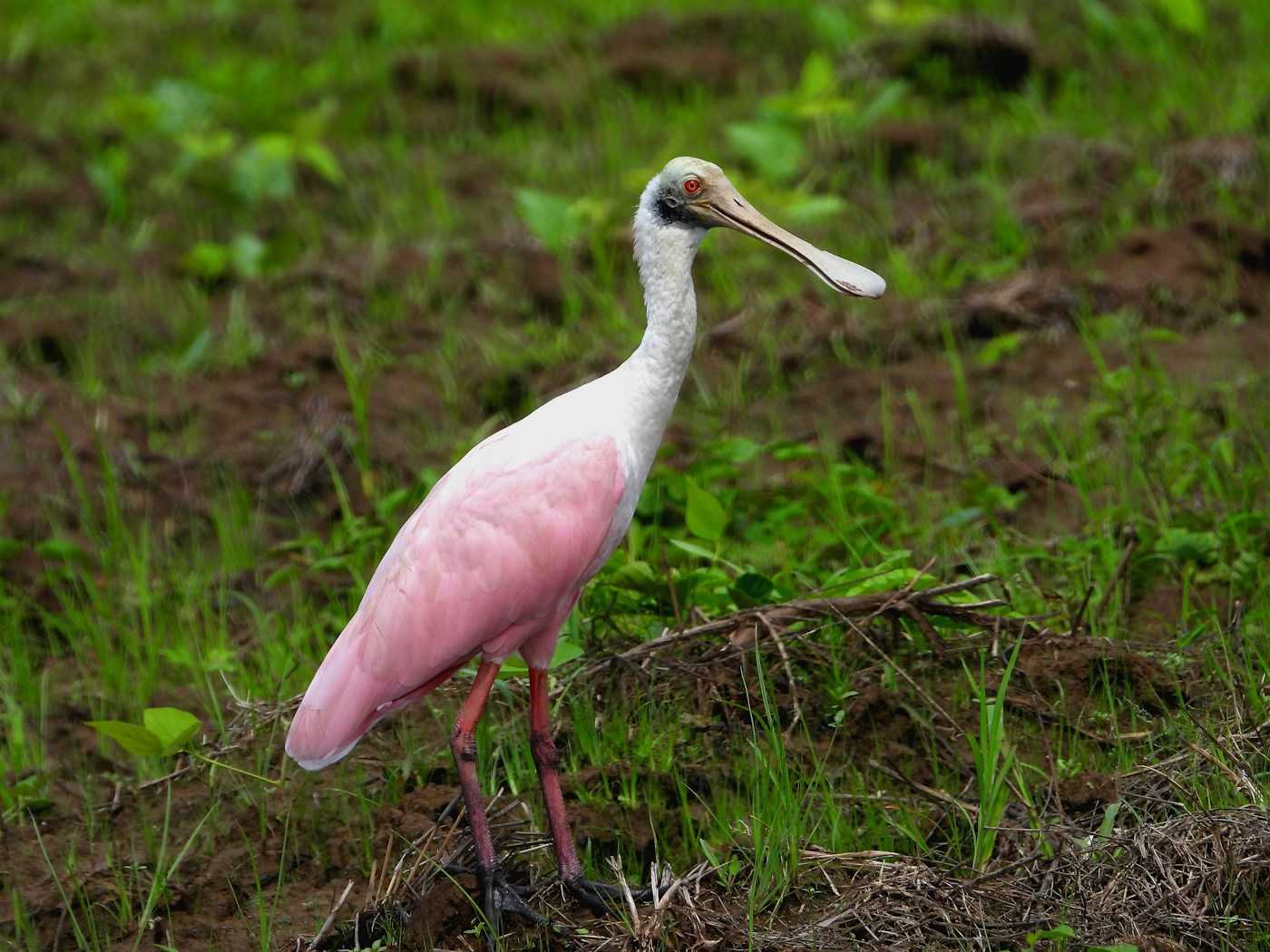
Cabo Blanco Absolute Nature Reserve
🇨🇷 Costa Rica
🐒 Reliable Monkey SightingsCabo Blanco is Costa Rica's very first protected area, established in 1963 by Swedish conservationist Nils Olof Wessberg. At the southern tip of the Nicoya Peninsula, where dry and wet tropical forests converge, the reserve shelters an extraordinary mix of wildlife — white-faced capuchins, howler monkeys, white-tailed deer, agoutis, coatis, and over 240 bird species including Costa Rica's largest colony of brown boobies.
9.504° N 85.082° W
Wildlife
⭐ Iconic Species
 ★
★ Mantled Howler Monkey
Alouatta palliata
 ★
★ Central American White-faced Capuchin
Cebus imitator
 ★
★ Magnificent Frigatebird
Fregata magnificens
 ★
★ Brown Pelican
Pelecanus occidentalis
📊 Most Spotted
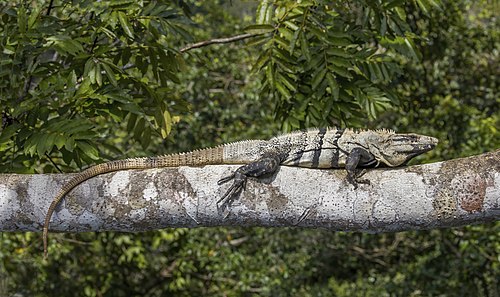
Black Spiny-tailed Iguana
Ctenosaura similis

Great Kiskadee
Pitangus sulphuratus

Variegated Squirrel
Sciurus variegatoides

Black Vulture
Coragyps atratus

Rufous-backed Wren
Campylorhynchus capistratus

Giant Marine Toad
Rhinella horribilis

Hoffmann's Woodpecker
Melanerpes hoffmannii

Orange-chinned Parakeet
Brotogeris jugularis

White-nosed Coati
Nasua narica

Black-headed Trogon
Trogon melanocephalus

Rose-bellied Lizard
Sceloporus variabilis

White-Throated Magpie-Jay
Calocitta formosa
⭐ Iconic Species
★ Mantled Howler Monkey
Alouatta palliata
★ Central American White-faced Capuchin
Cebus imitator
📊 Most Spotted
Variegated Squirrel
Sciurus variegatoides
White-nosed Coati
Nasua narica

Central American Agouti
Dasyprocta punctata

White-tailed Deer
Odocoileus virginianus

Common Raccoon
Procyon lotor

Northern Tamandua
Tamandua mexicana

Northern Ghost Bat
Diclidurus albus
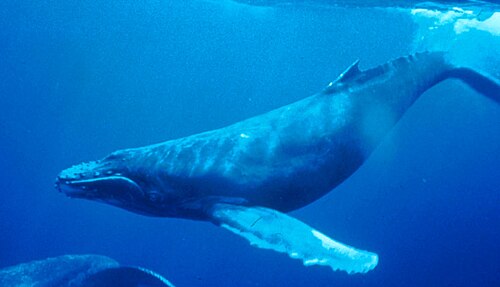
Humpback Whale
Megaptera novaeangliae

Mexican Hairy Dwarf Porcupine
Sphiggurus mexicanus

Greater Bulldog Bat
Noctilio leporinus

Pantropical Spotted Dolphin
Stenella attenuata

Ocelot
Leopardus pardalis
⭐ Iconic Species
📊 Most Spotted
Great Kiskadee
Pitangus sulphuratus
Black Vulture
Coragyps atratus
Rufous-backed Wren
Campylorhynchus capistratus
Hoffmann's Woodpecker
Melanerpes hoffmannii
Orange-chinned Parakeet
Brotogeris jugularis
Black-headed Trogon
Trogon melanocephalus
White-Throated Magpie-Jay
Calocitta formosa

Social Flycatcher
Myiozetetes similis

Turkey Vulture
Cathartes aura

Spotted Sandpiper
Actitis macularius

Tropical Kingbird
Tyrannus melancholicus

Bare-throated Tiger Heron
Tigrisoma mexicanum
📊 Most Spotted
Black Spiny-tailed Iguana
Ctenosaura similis
Rose-bellied Lizard
Sceloporus variabilis

Common Basilisk
Basiliscus basiliscus

Green Iguana
Iguana iguana

White-throated Gecko
Gonatodes albogularis

Central American Boa
Boa imperator

Mourning Gecko
Lepidodactylus lugubris

Common House Gecko
Hemidactylus frenatus

Pacific Ridley
Lepidochelys olivacea

Copper Anole
Anolis cupreus

Rhombic Cat-eyed Snake
Leptodeira rhombifera

Central American Lyresnake
Trimorphodon quadruplex
📊 Most Spotted
Giant Marine Toad
Rhinella horribilis

Mexican Smilisca
Smilisca baudinii
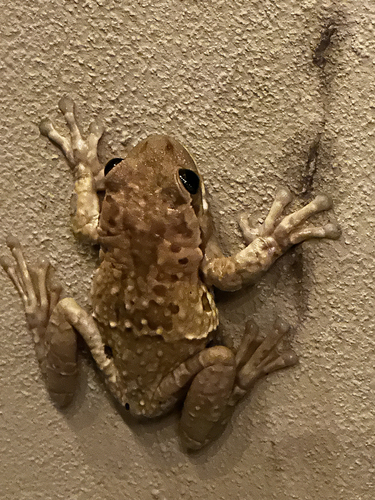
Milk Frog
Trachycephalus macrotis

Yellow Toad
Incilius luetkenii

Fitzinger's Robber Frog
Craugastor fitzingeri

Red-eyed Treefrog
Agalychnis callidryas

Savage's Thin-toed Frog
Leptodactylus savagei

Boulenger's Snouted Tree Frog
Scinax boulengeri

Mexican White-lipped Frog
Leptodactylus fragilis

Turbo White-lipped Frog
Leptodactylus poecilochilus

Sheep Frog
Hypopachus variolosus

Yellow Treefrog
Dendropsophus microcephalus
Animal Events
Howler Monkey Breeding Season
Troops of mantled howler monkeys turn the forest canopy into a theater of deep, throaty roars that carry for kilometers as males call to defend territory and win mates. Follow the booming chorus at dawn and dusk to find them lounging and feeding in the treetops.
Seabird Nesting Congregation
Magnificent frigatebirds and brown pelicans crowd together to nest in a raucous seabird colony, the males inflating scarlet throat pouches while pelicans plunge-dive offshore for fish. The dense congregation of squabbling adults and downy chicks makes for an unforgettable spectacle.
Migrant Bird Season
When northern migrants pour south, flame-red summer tanagers and flashing orange Baltimore orioles brighten the forest edge while ospreys hover and dive over the coastal waters. Their arrival swells the birdlife with a burst of color and activity.


Sighting Calendar
Chance of spotting each species, month by month
Sighting Zones
Warm areas are where all species together are recorded most, so they track where people go as much as where animals are. For one species, see the map on its own page.
Where Wildlife Score
How good is this park for seeing wildlife?Biodiversity
GoodHow rich is the wildlife?
Sighting
Very goodHow likely to see animals?
Quick answers
What animals can you see in Cabo Blanco Absolute Nature Reserve?
The most likely sightings are Black Spiny-tailed Iguana (seen by 80–90% of wildlife watchers), Mantled Howler Monkey (seen by 60–70% of wildlife watchers), Central American White-faced Capuchin (seen by 60–70% of wildlife watchers), Great Kiskadee (seen by 60–70% of wildlife watchers), Variegated Squirrel (seen by 50–60% of wildlife watchers) — among 749 recorded vertebrate species, based on citizen-science data from GBIF.
When is the best time to visit Cabo Blanco Absolute Nature Reserve for wildlife?
February has the highest combined sighting rate for the park's top species in our month-by-month GBIF data. The full sighting calendar on this page shows each species' best months.
Can you see Mantled Howler Monkey in Cabo Blanco Absolute Nature Reserve?
Yes — about 65% of wildlife watchers report a Mantled Howler Monkey sighting in Cabo Blanco Absolute Nature Reserve, based on 113 days of visitor records from GBIF citizen-science data.
Can you see Central American White-faced Capuchin in Cabo Blanco Absolute Nature Reserve?
Yes — about 64% of wildlife watchers report a Central American White-faced Capuchin sighting in Cabo Blanco Absolute Nature Reserve, based on 108 days of visitor records from GBIF citizen-science data.
Can you see Magnificent Frigatebird in Cabo Blanco Absolute Nature Reserve?
Yes — about 53% of wildlife watchers report a Magnificent Frigatebird sighting in Cabo Blanco Absolute Nature Reserve, based on 415 days of visitor records from GBIF citizen-science data.
Can you see Brown Pelican in Cabo Blanco Absolute Nature Reserve?
Yes — about 53% of wildlife watchers report a Brown Pelican sighting in Cabo Blanco Absolute Nature Reserve, based on 409 days of visitor records from GBIF citizen-science data.