Ciénaga de Zapata
🇨🇺 Cuba
🦎 Tocororo and Curly-tailed Lizard WetlandZapata is the largest wetland in the Caribbean, a flat mosaic of swamp forest, sawgrass and flooded cave systems. Northern curly-tailed lizards run across every warm rock and Cuban sliders bask on the logs of the drainage channels.
22.030° N 81.329° W
Wildlife
⭐ Iconic Species
 ★
★ Cuban Trogon
Priotelus temnurus
 ★
★ Northern Curly-tailed Lizard
Leiocephalus carinatus
 ★
★ Cuban Slider
Trachemys decussata
 ★
★ Cuban Treefrog
Osteopilus septentrionalis
📊 Most Spotted

Turkey Vulture
Cathartes aura

Cuban Emerald
Riccordia ricordii

American Redstart
Setophaga ruticilla

Red-legged Thrush
Turdus plumbeus

Palm Warbler
Setophaga palmarum

Greater Antillean Grackle
Quiscalus niger

West Indian Woodpecker
Melanerpes superciliaris

Cuban Pewee
Contopus caribaeus

Cuban Blackbird
Dives atroviolaceus

Tawny-shouldered Blackbird
Agelaius humeralis

Northern Parula
Setophaga americana
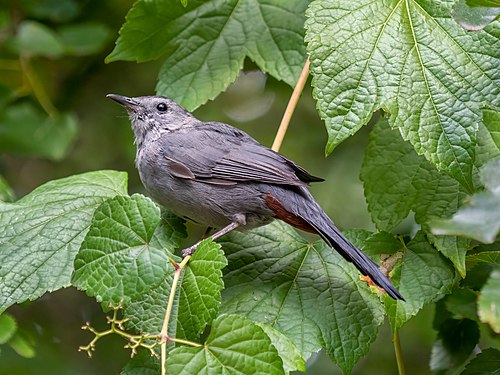
Gray Catbird
Dumetella carolinensis
📊 Most Spotted

Desmarest's Hutia
Capromys pilorides

Jamaican Fruit-eating Bat
Artibeus jamaicensis

Eastern Cottontail
Sylvilagus floridanus
⭐ Iconic Species
📊 Most Spotted
Turkey Vulture
Cathartes aura
Cuban Emerald
Riccordia ricordii
American Redstart
Setophaga ruticilla
Red-legged Thrush
Turdus plumbeus
Palm Warbler
Setophaga palmarum
Greater Antillean Grackle
Quiscalus niger
West Indian Woodpecker
Melanerpes superciliaris
Cuban Pewee
Contopus caribaeus
Cuban Blackbird
Dives atroviolaceus
Tawny-shouldered Blackbird
Agelaius humeralis
Northern Parula
Setophaga americana
Gray Catbird
Dumetella carolinensis
⭐ Iconic Species
📊 Most Spotted

Cuban Curlytail Lizard
Leiocephalus cubensis

Allison's Anole
Anolis allisoni

Cuban Green Anole
Anolis porcatus

Knight Anole
Anolis equestris

Cuban Crocodile
Crocodylus rhombifer

Brown Anole
Anolis sagrei

Cuban Racer
Cubophis cantherigerus

Cayman Islands Ground Iguana
Cyclura nubila

Habana Anole
Anolis homolechis

Auber's Ameiva
Pholidoscelis auberi

Tropical House Gecko
Hemidactylus mabouia

Cuban Tree Boa
Chilabothrus angulifer

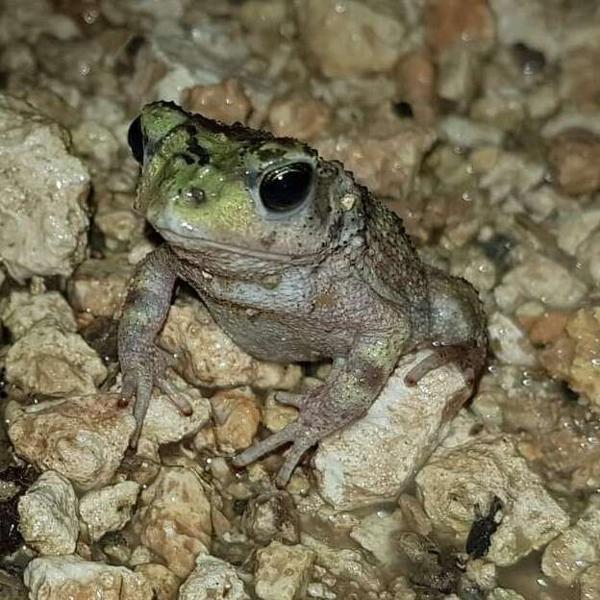


Animal Events
Tree Frogs and Toads in the Rains
Cuban tree frogs and Cuban giant toads breed in every flooded hollow and call through the night.
Lizards and Sliders in the Dry Months
Northern curly-tailed lizards hold the open rock and Cuban sliders line the channel banks.
Tocororo and Migrant Warblers
The tocororo calls from the forest edges while American redstarts and other migrants fill the woodland.
Sighting Calendar
Chance of spotting each species, month by month
Sighting Zones
Warm areas are where all species together are recorded most, so they track where people go as much as where animals are. For one species, see the map on its own page.
Where Wildlife Score
How good is this park for seeing wildlife?Biodiversity
GoodHow rich is the wildlife?
Sighting
GoodHow likely to see animals?
Quick answers
What animals can you see in Ciénaga de Zapata?
The most likely sightings are Turkey Vulture (seen by 70–80% of wildlife watchers), Cuban Emerald (seen by 70–80% of wildlife watchers), American Redstart (seen by 60–70% of wildlife watchers), Red-legged Thrush (seen by 60–70% of wildlife watchers), Palm Warbler (seen by 60–70% of wildlife watchers) — among 479 recorded vertebrate species, based on citizen-science data from GBIF.
When is the best time to visit Ciénaga de Zapata for wildlife?
March has the highest combined sighting rate for the park's top species in our month-by-month GBIF data. The full sighting calendar on this page shows each species' best months.
Can you see Cuban Trogon in Ciénaga de Zapata?
Yes — about 43% of wildlife watchers report a Cuban Trogon sighting in Ciénaga de Zapata, based on 697 days of visitor records from GBIF citizen-science data.
Can you see Northern Curly-tailed Lizard in Ciénaga de Zapata?
Yes — about 52% of wildlife watchers report a Northern Curly-tailed Lizard sighting in Ciénaga de Zapata, based on 33 days of visitor records from GBIF citizen-science data.
Can you see Cuban Slider in Ciénaga de Zapata?
Yes — about 35% of wildlife watchers report a Cuban Slider sighting in Ciénaga de Zapata, based on 15 days of visitor records from GBIF citizen-science data.
Can you see Cuban Treefrog in Ciénaga de Zapata?
Yes — about 43% of wildlife watchers report a Cuban Treefrog sighting in Ciénaga de Zapata, based on 22 days of visitor records from GBIF citizen-science data.
Explore Other Parks
 📍 362 km 🐊 Alligators in the River of Grass
 Everglades National Park
 📍 445 km 🐊 Kingdom of the American Alligator
 Big Cypress National Preserve
 📍 621 km 🦝 Coatis and Spiny-tailed Iguanas
 Arrecifes de Cozumel National Park
_adult_male_2.jpg?width=1920) 📍 672 km 🐦 Streamertails in the Blue Mountain Mist
📍 672 km 🐦 Streamertails in the Blue Mountain Mist