Everglades National Park
🇺🇸 United States
🐊 Alligators in the River of GrassEverglades National Park is a massive wetland preserve located at the southern tip of Florida, defined by dense mangrove forests and winding coastal waterways. This protected wilderness is famous for the American Alligator, its signature species, which surfaces slowly in the murky shallows throughout the day.
25.256° N 80.870° W
Wildlife
⭐ Iconic Species
 ★
★ American Alligator
Alligator mississippiensis
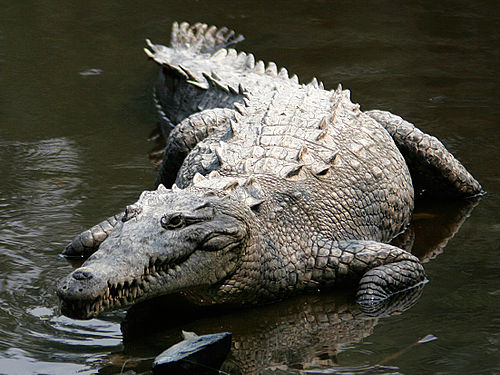 ★
★ American Crocodile
Crocodylus acutus
 ★
★ West Indian Manatee
Trichechus manatus
 ★
★ Roseate Spoonbill
Platalea ajaja
📊 Most Spotted

Turkey Vulture
Cathartes aura

Northern Mockingbird
Mimus polyglottos

Great Egret
Ardea alba

Brown Anole
Anolis sagrei

White Ibis
Eudocimus albus

Northern Cardinal
Cardinalis cardinalis

Red-bellied Woodpecker
Melanerpes carolinus

African Redhead Agama
Agama picticauda

Palm Warbler
Setophaga palmarum

American Crow
Corvus brachyrhynchos

Great Blue Heron
Ardea herodias

Osprey
Pandion haliaetus
⭐ Iconic Species
📊 Most Spotted

Eastern Gray Squirrel
Sciurus carolinensis

Common Raccoon
Procyon lotor

White-tailed Deer
Odocoileus virginianus

Bottlenose Dolphin
Tursiops truncatus

Virginia Opossum
Didelphis virginiana

Fox Squirrel
Sciurus niger

Hispid Cotton Rat
Sigmodon hispidus

Eastern Cottontail
Sylvilagus floridanus

American Black Bear
Ursus americanus

Coyote
Canis latrans

Gray Fox
Urocyon cinereoargenteus

Mexican Free-tailed Bat
Tadarida brasiliensis
⭐ Iconic Species
📊 Most Spotted
Turkey Vulture
Cathartes aura
Northern Mockingbird
Mimus polyglottos
Great Egret
Ardea alba
White Ibis
Eudocimus albus
Northern Cardinal
Cardinalis cardinalis
Red-bellied Woodpecker
Melanerpes carolinus
Palm Warbler
Setophaga palmarum
American Crow
Corvus brachyrhynchos
Great Blue Heron
Ardea herodias
Osprey
Pandion haliaetus

Red-shouldered Hawk
Buteo lineatus

Boat-tailed Grackle
Quiscalus major
⭐ Iconic Species
★ American Alligator
Alligator mississippiensis
★ American Crocodile
Crocodylus acutus
📊 Most Spotted
Brown Anole
Anolis sagrei
African Redhead Agama
Agama picticauda

Green Iguana
Iguana iguana

Northern Curly-tailed Lizard
Leiocephalus carinatus

Florida Cottonmouth
Agkistrodon conanti

Florida Softshell Turtle
Apalone ferox

Green Anole
Anolis carolinensis

Florida Redbelly Turtle
Pseudemys nelsoni

Tropical House Gecko
Hemidactylus mabouia

North American Racer
Coluber constrictor

Corn Snake
Pantherophis guttatus

Banded Water Snake
Nerodia fasciata
📊 Most Spotted

Cuban Treefrog
Osteopilus septentrionalis

Southern Toad
Anaxyrus terrestris

Eastern Cane Toad
Rhinella marina

Greenhouse Frog
Eleutherodactylus planirostris

Southern Leopard Frog
Lithobates sphenocephalus

Green Treefrog
Dryophytes cinereus

Pig Frog
Lithobates grylio

Eastern Narrow-mouthed Toad
Gastrophryne carolinensis

Squirrel Treefrog
Dryophytes squirellus

Oak Toad
Anaxyrus quercicus

Southern Cricket Frog
Acris gryllus

Little Grass Frog
Pseudacris ocularis
Animal Events
Manatee Season
West Indian manatees seek warm water from , gathering in the park's coastal canals and Florida Bay around Flamingo.
Dry-Season Alligator & Crocodile Concentration
As water levels drop in the dry season, alligators and crocodiles concentrate at shrinking pools and canal banks, creating the densest reptile viewing in the continental US.
Wading Bird Nesting Congregation
The Everglades Protection Area hosts the largest wading-bird nesting effort in South Florida (tens of thousands of nests); dry-season water drawdown concentrates fish and triggers mass nesting and feeding congregations.

Sighting Calendar
Chance of spotting each species, month by month
Sighting Zones
Warm areas are where all species together are recorded most, so they track where people go as much as where animals are. For one species, see the map on its own page.
Where Wildlife Score
How good is this park for seeing wildlife?Biodiversity
ExcellentHow rich is the wildlife?
Sighting
GoodHow likely to see animals?
Quick answers
What animals can you see in Everglades National Park?
The most likely sightings are Turkey Vulture (seen by 70–80% of wildlife watchers), American Alligator (seen by 70–80% of wildlife watchers), Northern Mockingbird (seen by 70–80% of wildlife watchers), Great Egret (seen by 60–70% of wildlife watchers), Brown Anole (seen by 60–70% of wildlife watchers) — among 847 recorded vertebrate species, based on citizen-science data from GBIF.
When is the best time to visit Everglades National Park for wildlife?
January has the highest combined sighting rate for the park's top species in our month-by-month GBIF data. The full sighting calendar on this page shows each species' best months.
Can you see American Alligator in Everglades National Park?
Yes — about 72% of wildlife watchers report a American Alligator sighting in Everglades National Park, based on 3,348 days of visitor records from GBIF citizen-science data.
Can you see American Crocodile in Everglades National Park?
Yes — about 47% of wildlife watchers report a American Crocodile sighting in Everglades National Park, based on 1,257 days of visitor records from GBIF citizen-science data.
Can you see West Indian Manatee in Everglades National Park?
Yes — about 40% of wildlife watchers report a West Indian Manatee sighting in Everglades National Park, based on 905 days of visitor records from GBIF citizen-science data.
Can you see Roseate Spoonbill in Everglades National Park?
Yes — about 16% of wildlife watchers report a Roseate Spoonbill sighting in Everglades National Park, based on 1,867 days of visitor records from GBIF citizen-science data.

_5.jpg?width=1920)