Congaree National Park
🇺🇸 United States
🐊 American Alligator Shadows Congaree FloodplainCongaree National Park is a protected wetland in central South Carolina, featuring a landscape of towering bottomland hardwood trees and winding creeks. Visitors walk through lush floodplain forests along elevated boardwalks and dirt trails that weave past ancient cypress and tupelo trees.
33.794° N 80.789° W
Wildlife
⭐ Iconic Species
 ★
★ American Alligator
Alligator mississippiensis
 ★
★ Southern Toad
Anaxyrus terrestris
 ★
★ Marbled Salamander
Ambystoma opacum
 ★
★ Three-lined Salamander
Eurycea guttolineata
📊 Most Spotted

Carolina Wren
Thryothorus ludovicianus

Northern Cardinal
Cardinalis cardinalis

Red-bellied Woodpecker
Melanerpes carolinus

Tufted Titmouse
Baeolophus bicolor

Pileated Woodpecker
Dryocopus pileatus

Carolina Chickadee
Poecile carolinensis

Downy Woodpecker
Dryobates pubescens

Green Anole
Anolis carolinensis

Northern Cottonmouth
Agkistrodon piscivorus

Plain-bellied Water Snake
Nerodia erythrogaster

Pine Warbler
Setophaga pinus

American Crow
Corvus brachyrhynchos
📊 Most Spotted

Eastern Gray Squirrel
Sciurus carolinensis

Common Raccoon
Procyon lotor

White-tailed Deer
Odocoileus virginianus

Fox Squirrel
Sciurus niger

Northern River Otter
Lontra canadensis

Virginia Opossum
Didelphis virginiana

American Beaver
Castor canadensis

Eastern Cottontail
Sylvilagus floridanus

Coyote
Canis latrans

Eastern Red Bat
Lasiurus borealis

Hispid Cotton Rat
Sigmodon hispidus

Mexican Free-tailed Bat
Tadarida brasiliensis
📊 Most Spotted
Carolina Wren
Thryothorus ludovicianus
Northern Cardinal
Cardinalis cardinalis
Red-bellied Woodpecker
Melanerpes carolinus
Tufted Titmouse
Baeolophus bicolor
Pileated Woodpecker
Dryocopus pileatus
Carolina Chickadee
Poecile carolinensis
Downy Woodpecker
Dryobates pubescens
Pine Warbler
Setophaga pinus
American Crow
Corvus brachyrhynchos

White-eyed Vireo
Vireo griseus

Ruby-crowned Kinglet
Regulus calendula
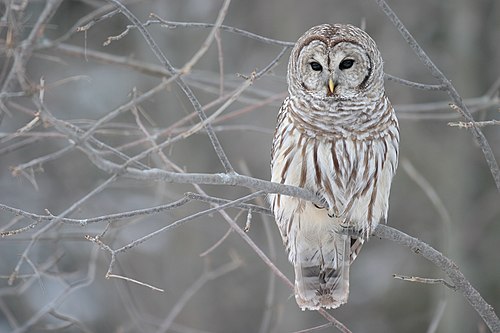
Barred Owl
Strix varia
⭐ Iconic Species
📊 Most Spotted
Green Anole
Anolis carolinensis
Northern Cottonmouth
Agkistrodon piscivorus
Plain-bellied Water Snake
Nerodia erythrogaster

Brown Watersnake
Nerodia taxispilota

Common Five-lined Skink
Plestiodon fasciatus

Banded Water Snake
Nerodia fasciata

Pond Slider
Trachemys scripta

Broadhead Skink
Plestiodon laticeps

Snapping Turtle
Chelydra serpentina

North American Racer
Coluber constrictor

Common Box Turtle
Terrapene carolina

Eastern Copperhead
Agkistrodon contortrix
⭐ Iconic Species
★ Southern Toad
Anaxyrus terrestris
★ Marbled Salamander
Ambystoma opacum
★ Three-lined Salamander
Eurycea guttolineata
📊 Most Spotted

Green Treefrog
Dryophytes cinereus

Southern Leopard Frog
Lithobates sphenocephalus

Cope's Gray Tree Frog
Dryophytes chrysoscelis

Squirrel Treefrog
Dryophytes squirellus

Green Frog
Lithobates clamitans

Pine Wood Treefrog
Dryophytes femoralis

Spring Peeper
Pseudacris crucifer

Eastern Narrow-mouthed Toad
Gastrophryne carolinensis

American Bullfrog
Lithobates catesbeianus

Barking Treefrog
Dryophytes gratiosus

Atlantic Coast Slimy Salamander
Plethodon chlorobryonis

Southern Two-lined Salamander
Eurycea cirrigera
Animal Events
Chorus of Southern Toads
Male Southern Toads gather in floodplain wetlands at dusk, creating a loud, trilling chorus that echoes through the forest after heavy rains.
Marbled Salamander Migrations
Marbled Salamanders migrate to floodplain breeding pools on rainy nights in late fall and early spring, often crossing park trails.
Floodplain Bullfrog & Snake Activity
American Bullfrogs and Northern Cottonmouths congregate along the Congaree River’s floodplain, where bullfrogs chorus at night and cottonmouths hunt along muddy banks.
Sighting Calendar
Chance of spotting each species, month by month
Sighting Zones
Warm areas are where all species together are recorded most, so they track where people go as much as where animals are. For one species, see the map on its own page.
Where Wildlife Score
How good is this park for seeing wildlife?Biodiversity
Very goodHow rich is the wildlife?
Sighting
Very goodHow likely to see animals?
Quick answers
What animals can you see in Congaree National Park?
The most likely sightings are Carolina Wren (seen by 90–100% of wildlife watchers), Northern Cardinal (seen by 80–90% of wildlife watchers), Red-bellied Woodpecker (seen by 80–90% of wildlife watchers), Tufted Titmouse (seen by 80–90% of wildlife watchers), Pileated Woodpecker (seen by 80–90% of wildlife watchers) — among 504 recorded vertebrate species, based on citizen-science data from GBIF.
When is the best time to visit Congaree National Park for wildlife?
April has the highest combined sighting rate for the park's top species in our month-by-month GBIF data. The full sighting calendar on this page shows each species' best months.
Can you see American Alligator in Congaree National Park?
Yes — about 48% of wildlife watchers report a American Alligator sighting in Congaree National Park, based on 107 days of visitor records from GBIF citizen-science data.
Can you see Southern Toad in Congaree National Park?
Yes — about 43% of wildlife watchers report a Southern Toad sighting in Congaree National Park, based on 84 days of visitor records from GBIF citizen-science data.
Can you see Marbled Salamander in Congaree National Park?
Yes — about 30% of wildlife watchers report a Marbled Salamander sighting in Congaree National Park, based on 43 days of visitor records from GBIF citizen-science data.
Can you see Three-lined Salamander in Congaree National Park?
Yes — about 30% of wildlife watchers report a Three-lined Salamander sighting in Congaree National Park, based on 44 days of visitor records from GBIF citizen-science data.


