Shenandoah National Park
🇺🇸 United States
🐻 Black Bears Along Skyline DriveShenandoah National Park sits in the Blue Ridge Mountains of the Appalachians, United States. It is a temperate forest of oak, hickory, and maple, with rolling ridges and shaded hollows that differ from coastal parks. The park is known for its vibrant birdlife and deer that roam the meadow edges.
38.729° N 78.300° W
Wildlife
⭐ Iconic Species
 ★
★ American Black Bear
Ursus americanus
 ★
★ White-tailed Deer
Odocoileus virginianus
 ★
★ Shenandoah Salamander
Plethodon shenandoah
 ★
★ Northern Cardinal
Cardinalis cardinalis
📊 Most Spotted

Carolina Wren
Thryothorus ludovicianus

Tufted Titmouse
Baeolophus bicolor

Blue Jay
Cyanocitta cristata

American Crow
Corvus brachyrhynchos

Carolina Chickadee
Poecile carolinensis

American Goldfinch
Spinus tristis

Red-bellied Woodpecker
Melanerpes carolinus

Eastern Bluebird
Sialia sialis

American Robin
Turdus migratorius

White-breasted Nuthatch
Sitta carolinensis

Mourning Dove
Zenaida macroura

Downy Woodpecker
Dryobates pubescens
⭐ Iconic Species
★ American Black Bear
Ursus americanus
★ White-tailed Deer
Odocoileus virginianus
📊 Most Spotted

Eastern Gray Squirrel
Sciurus carolinensis

Eastern Cottontail
Sylvilagus floridanus
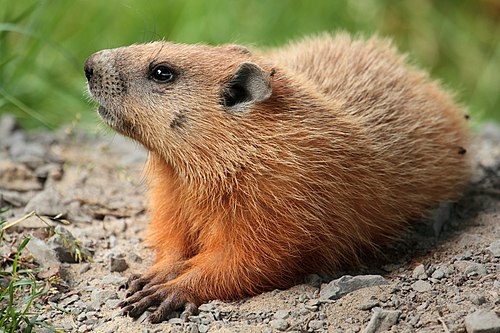
Woodchuck
Marmota monax

Eastern Chipmunk
Tamias striatus

Red Fox
Vulpes vulpes

Common Raccoon
Procyon lotor

American Beaver
Castor canadensis

Virginia Opossum
Didelphis virginiana

Northern Short-tailed Shrew
Blarina brevicauda

Coyote
Canis latrans
Striped Skunk
Mephitis mephitis

Fox Squirrel
Sciurus niger
⭐ Iconic Species
📊 Most Spotted
Carolina Wren
Thryothorus ludovicianus
Tufted Titmouse
Baeolophus bicolor
Blue Jay
Cyanocitta cristata
American Crow
Corvus brachyrhynchos
Carolina Chickadee
Poecile carolinensis
American Goldfinch
Spinus tristis
Red-bellied Woodpecker
Melanerpes carolinus
Eastern Bluebird
Sialia sialis
American Robin
Turdus migratorius
White-breasted Nuthatch
Sitta carolinensis
Mourning Dove
Zenaida macroura
Downy Woodpecker
Dryobates pubescens
📊 Most Spotted

Common Box Turtle
Terrapene carolina

Eastern Rat Snake
Pantherophis alleghaniensis

Common Garter Snake
Thamnophis sirtalis

Common Watersnake
Nerodia sipedon

Common Five-lined Skink
Plestiodon fasciatus

Painted Turtle
Chrysemys picta

Eastern Copperhead
Agkistrodon contortrix

Timber Rattlesnake
Crotalus horridus

Ringneck Snake
Diadophis punctatus

Eastern Fence Lizard
Sceloporus undulatus

Snapping Turtle
Chelydra serpentina

Eastern Milksnake
Lampropeltis triangulum
⭐ Iconic Species
📊 Most Spotted

American Toad
Anaxyrus americanus

Eastern Red-backed Salamander
Plethodon cinereus
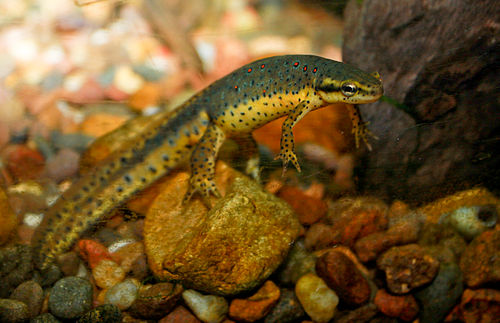
Eastern Newt
Notophthalmus viridescens

Pickerel Frog
Lithobates palustris

Green Frog
Lithobates clamitans

Northern Two-lined Salamander
Eurycea bislineata

Seal Salamander
Desmognathus monticola

Gray Treefrog
Dryophytes versicolor

Fowler's Toad
Anaxyrus fowleri

Northern Cricket Frog
Acris crepitans

Spring Peeper
Pseudacris crucifer

American Bullfrog
Lithobates catesbeianus
Animal Events
White-tailed Deer Rut
breeding season — bucks chase does across the Big Meadows clearings and are active in daylight, the park's peak deer-viewing spectacle.
Black Bear Foraging Season
Summer berry season concentrates black bears along Skyline Drive and around Big Meadows, the most reliable window to see them feeding in the open.
Fall Raptor Migration
Thousands of raptors funnel down the Blue Ridge each autumn , with hawks and eagles riding the ridgeline thermals over Skyline Drive overlooks.


Sighting Calendar
Chance of spotting each species, month by month
Where Wildlife Score
How good is this park for seeing wildlife?Biodiversity
GoodHow rich is the wildlife?
Sighting
GoodHow likely to see animals?
Quick answers
What animals can you see in Shenandoah National Park?
The most likely sightings are Northern Cardinal (seen by 80–90% of wildlife watchers), Carolina Wren (seen by 80–90% of wildlife watchers), Tufted Titmouse (seen by 70–80% of wildlife watchers), Blue Jay (seen by 70–80% of wildlife watchers), American Crow (seen by 70–80% of wildlife watchers) — among 513 recorded vertebrate species, based on citizen-science data from GBIF.
When is the best time to visit Shenandoah National Park for wildlife?
November has the highest combined sighting rate for the park's top species in our month-by-month GBIF data. The full sighting calendar on this page shows each species' best months.
Can you see American Black Bear in Shenandoah National Park?
Yes — about 24% of wildlife watchers report a American Black Bear sighting in Shenandoah National Park, based on 148 days of visitor records from GBIF citizen-science data.
Can you see White-tailed Deer in Shenandoah National Park?
Yes — about 66% of wildlife watchers report a White-tailed Deer sighting in Shenandoah National Park, based on 1,076 days of visitor records from GBIF citizen-science data.
Can you see Shenandoah Salamander in Shenandoah National Park?
It's possible but not guaranteed: about 14% of wildlife watchers report a Shenandoah Salamander sighting in Shenandoah National Park, based on 62 days of visitor records from GBIF citizen-science data. Sightings take luck and time in the field.
Can you see Northern Cardinal in Shenandoah National Park?
Yes — about 84% of wildlife watchers report a Northern Cardinal sighting in Shenandoah National Park, based on 14,522 days of visitor records from GBIF citizen-science data.


