Flinders Ranges National Park
🇦🇺 Australia
🦘 Watch Yellow-footed Rock-wallabies ForageFlinders Ranges National Park is an ancient mountain sanctuary set within the dry interior of South Australia, defined by dramatic quartzite ridges, deep eroded gorges, and sparse arid vegetation. Unlike the coastal wetlands or tropical forests of the continent, this rugged upland terrain offers open stony tracks winding through dry creek beds and rocky slopes.
-31.342° S 138.667° E
Wildlife
⭐ Iconic Species
 ★
★ Yellow-footed Rock-wallaby
Petrogale xanthopus
 ★
★ Flinder's Ranges Rock-skink
Liopholis personata
 ★
★ Wallaroo
Macropus robustus
 ★
★ Wedge-tailed Eagle
Aquila audax
📊 Most Spotted

Australian Ringneck
Barnardius zonarius

Australian Raven
Corvus coronoides

Swift Rock Dragon
Ctenophorus modestus

Yellow-throated Miner
Manorina flavigula

Australian Magpie
Gymnorhina tibicen

Weebill
Smicrornis brevirostris

Inland Thornbill
Acanthiza apicalis
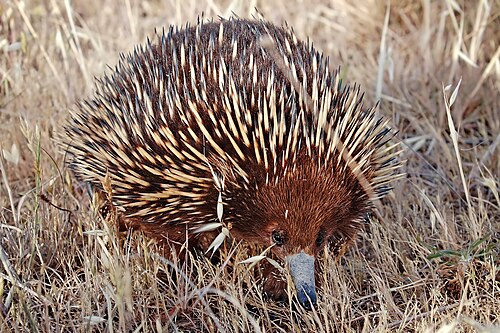
Short-beaked Echidna
Tachyglossus aculeatus

Emu
Dromaius novaehollandiae

Gray Shrikethrush
Colluricincla harmonica

Red-capped Robin
Petroica goodenovii

Galah
Eolophus roseicapilla
⭐ Iconic Species
📊 Most Spotted
Short-beaked Echidna
Tachyglossus aculeatus

Western Grey Kangaroo
Macropus fuliginosus

Western Quoll
Dasyurus geoffroii

Blue Flier (Females)
Macropus rufus

Common Brushtail
Trichosurus vulpecula

Eastern Grey Kangaroo
Macropus giganteus

Red Fox
Vulpes vulpes

Brown Hare
Lepus europaeus
⭐ Iconic Species
📊 Most Spotted
Australian Ringneck
Barnardius zonarius
Australian Raven
Corvus coronoides
Yellow-throated Miner
Manorina flavigula
Australian Magpie
Gymnorhina tibicen
Weebill
Smicrornis brevirostris
Inland Thornbill
Acanthiza apicalis
Emu
Dromaius novaehollandiae
Gray Shrikethrush
Colluricincla harmonica
Red-capped Robin
Petroica goodenovii
Galah
Eolophus roseicapilla

Rufous Whistler
Pachycephala rufiventris

Spiny-cheeked Honeyeater
Acanthagenys rufogularis
⭐ Iconic Species
📊 Most Spotted
Swift Rock Dragon
Ctenophorus modestus

Shingleback
Tiliqua rugosa

Gould's Goanna
Varanus gouldii

Tree Skink
Egernia striolata

Barking Gecko
Underwoodisaurus milii

Boulenger's Snake-eyed Skink
Morethia boulengeri

Southern Rock Dtella
Gehyra lazelli

Central Bearded Dragon
Pogona vitticeps

Common Prickly Gecko
Heteronotia binoei

Red-barred Crevice-dragon
Ctenophorus vadnappa

Nobbi
Diporiphora nobbi

Eastern tree dtella
Gehyra versicolor


Animal Events
Rock-wallaby Dawn Foraging
Cooler morning temperatures encourage the Yellow-footed Rock-wallaby and wallaroo to emerge from rocky crevices to sunbathe and feed on sparse vegetation.
Bird Breeding Peak
Following seasonal temperature drops, resident honeyeaters and corvids such as the Yellow-throated Miner and Australian Magpie increase vocalizations and territorial display behaviors.
Reptile Emergence
Warming spring sunshine prompts ectotherms like the Shingleback Lizard and Flinder's Ranges Rock-skink to leave their winter shelters and bask on exposed sandstone.
Sighting Calendar
Chance of spotting each species, month by month
Sighting Zones
Warm areas are where all species together are recorded most, so they track where people go as much as where animals are. For one species, see the map on its own page.
Where Wildlife Score
How good is this park for seeing wildlife?Biodiversity
GoodHow rich is the wildlife?
Sighting
Very goodHow likely to see animals?
Quick answers
What animals can you see in Flinders Ranges National Park?
The most likely sightings are Australian Ringneck (seen by 80–90% of wildlife watchers), Yellow-footed Rock-wallaby (seen by 80–90% of wildlife watchers), Australian Raven (seen by 80–90% of wildlife watchers), Swift Rock Dragon (seen by 70–80% of wildlife watchers), Yellow-throated Miner (seen by 70–80% of wildlife watchers) — among 487 recorded vertebrate species, based on citizen-science data from GBIF.
When is the best time to visit Flinders Ranges National Park for wildlife?
March has the highest combined sighting rate for the park's top species in our month-by-month GBIF data. The full sighting calendar on this page shows each species' best months.
Can you see Yellow-footed Rock-wallaby in Flinders Ranges National Park?
Yes — about 86% of wildlife watchers report a Yellow-footed Rock-wallaby sighting in Flinders Ranges National Park, based on 195 days of visitor records from GBIF citizen-science data.
Can you see Flinder's Ranges Rock-skink in Flinders Ranges National Park?
Yes — about 47% of wildlife watchers report a Flinder's Ranges Rock-skink sighting in Flinders Ranges National Park, based on 37 days of visitor records from GBIF citizen-science data.
Can you see Wallaroo in Flinders Ranges National Park?
Yes — about 69% of wildlife watchers report a Wallaroo sighting in Flinders Ranges National Park, based on 90 days of visitor records from GBIF citizen-science data.
Can you see Wedge-tailed Eagle in Flinders Ranges National Park?
Yes — about 57% of wildlife watchers report a Wedge-tailed Eagle sighting in Flinders Ranges National Park, based on 143 days of visitor records from GBIF citizen-science data.


.jpg?width=1920)