


Yellow-bellied Marmot
Marmota flaviventris
- KingdomAnimalia (Animals)
- PhylumChordata (Cordats)
- ClassMammalia (Mamífers)
- OrderRodentia (Rosegadors)
- FamilySciuridae (Squirrels)
- GenusMarmota (Marmots)
- SpeciesMarmota flaviventris (Yellow-bellied Marmot)
The yellow-bellied marmot (Marmota flaviventer), also known as the rock chuck, is a large, stout-bodied ground squirrel in the marmot genus. It is one of fourteen species of marmots, and is native to mountainous and semi-arid regions of southwestern Canada and western United States, including the Rocky Mountains, Sierra Nevada, and the Great Basin, often (but not exclusively) living above 2,000 metres (6,500 feet). The fur is mainly brown, with a dark bushy tail, yellow chest and white patch between the eyes, and they weigh up to approximately 5 kilograms (11 pounds). They are highly social creatures, living in burrows in colonies of up to twenty individuals. They are diurnal and feed on plant material, insects, and bird eggs. They hibernate for approximately eight months starting in September and lasting through the winter. Wikipedia →
50–60% of wildlife watchers report a Yellow-bellied Marmot sighting in Grand Teton National Park, based on 394 days of visitor records from GBIF citizen-science data.
Closest Relatives at Grand Teton National Park

Uinta Ground Squirrel
Urocitellus armatus
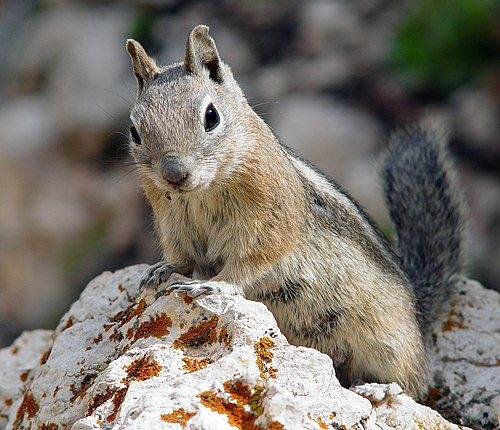
Golden-mantled Ground Squirrel
Callospermophilus lateralis

American Red Squirrel
Tamiasciurus hudsonicus

Least Chipmunk
Tamias minimus

Yellow-pine Chipmunk
Tamias amoenus

Uinta Chipmunk
Tamias umbrinus

American Beaver
Castor canadensis

Muskrat
Ondatra zibethicus
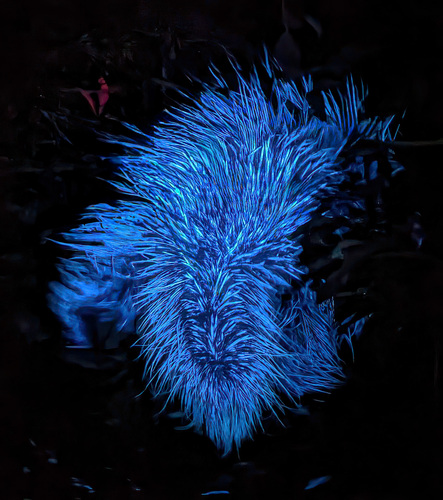
Quiller
Erethizon dorsatus

Northern Pocket Gopher
Thomomys talpoides

Deer Mouse
Peromyscus maniculatus

Western Jumping Mouse
Zapus princeps
📅 Monthly Probability
☀️ When They're Spotted
Most active during daytime hours (6am–6pm) · across all parks (global)
Global Distribution
Where this species is recorded worldwide. Restricted to human observations from 2019 onwards — the same kind of record and the same period the probabilities on this page are built from, so collar-tracking studies, camera-trap arrays and museum specimens are excluded. Around Santa Rosa that removes 5,924 GPS fixes from a handful of tagged jaguars.
where this species is recorded (GBIF density — it tracks where observers go, not how likely a sighting is) · parks where it occurs — tap a pin for the sighting probability there
Parks Where Found
| # | Park | Country | Probability |
|---|---|---|---|
| 1 | Sequoia and Kings Canyon National Parks | 🇺🇸 United States | |
| 2 | Rocky Mountain National Park | 🇺🇸 United States | |
| 3 | Grand Teton National Park | 🇺🇸 United States | |
| 4 | Yellowstone National Park | 🇺🇸 United States | |
| 5 | Yosemite National Park | 🇺🇸 United States | |
| 6 | Glacier National Park | 🇺🇸 United States | |
| 7 | Zion National Park | 🇺🇸 United States | |
| 8 | Jasper National Park | 🇨🇦 Canada |
Quick answers
What are the chances of seeing a Yellow-bellied Marmot in Grand Teton National Park?
About 58% of wildlife watchers report a Yellow-bellied Marmot sighting in Grand Teton National Park, based on 394 days of visitor records from GBIF citizen-science data.
When is the best time to see Yellow-bellied Marmot in Grand Teton National Park?
June has the highest sighting rate for Yellow-bellied Marmot in Grand Teton National Park in our monthly data.