Namdapha National Park
🇮🇳 India
🐿️ Red Giant Flying Squirrel Glides NamdaphaNamdapha National Park is a remote temperate forest reserve nestled in the far eastern corner of India, where steep mountain ridges plunge into dense river valleys. This wild sanctuary stands apart for its sheer altitudinal range, creating a continuous green mantle from tropical growth to alpine ice.
27.550° N 96.609° E
Wildlife
⭐ Iconic Species
 ★
★ Black Giant Squirrel
Ratufa bicolor
 ★
★ Red Giant Flying Squirrel
Petaurista petaurista
 ★
★ Tiger
Panthera tigris
📊 Most Spotted

Ashy-fronted Bearded Bulbul
Alophoixus flaveolus

Blue-throated Barbet
Psilopogon asiaticus

Streaked Spiderhunter
Arachnothera magna

Bronzed Drongo
Dicrurus aeneus

Slaty-backed Forktail
Enicurus schistaceus

Yellow-bellied Fairy-Fantail
Chelidorhynx hypoxantha

Sultan Tit
Melanochlora sultanea

Black-throated Sunbird
Aethopyga saturata

Western Hoolock Gibbon
Hoolock hoolock

Blue Whistling-Thrush
Myophonus caeruleus

Scarlet Minivet
Pericrocotus speciosus

Ashy Drongo
Dicrurus leucophaeus
⭐ Iconic Species
★ Black Giant Squirrel
Ratufa bicolor
★ Red Giant Flying Squirrel
Petaurista petaurista
★ Tiger
Panthera tigris
📊 Most Spotted
Western Hoolock Gibbon
Hoolock hoolock

Assam Macaque
Macaca assamensis

Himalayan Striped Squirrel
Tamiops mcclellandii

Pallas's Squirrel
Callosciurus erythraeus

Yellow-throated Marten
Martes flavigula

Indian Muntjac
Muntiacus muntjak

Bengal Slow Loris
Nycticebus bengalensis

Masked Palm Civet
Paguma larvata

Northern Treeshrew
Tupaia belangeri

Irrawaddy Squirrel
Callosciurus pygerythrus

Orange-bellied Himalayan Squirrel
Dremomys lokriah

Asian Elephant
Elephas maximus
📊 Most Spotted
Ashy-fronted Bearded Bulbul
Alophoixus flaveolus
Blue-throated Barbet
Psilopogon asiaticus
Streaked Spiderhunter
Arachnothera magna
Bronzed Drongo
Dicrurus aeneus
Slaty-backed Forktail
Enicurus schistaceus
Yellow-bellied Fairy-Fantail
Chelidorhynx hypoxantha
Sultan Tit
Melanochlora sultanea
Black-throated Sunbird
Aethopyga saturata
Blue Whistling-Thrush
Myophonus caeruleus
Scarlet Minivet
Pericrocotus speciosus
Ashy Drongo
Dicrurus leucophaeus

Ashy Bulbul
Hemixos flavala
📊 Most Spotted

Common Mock Viper
Psammodynastes pulverulentus

Wall's Bronzeback
Dendrelaphis cyanochloris

Oriental Whipsnake
Ahaetulla prasina

Yellow-speckled Wolfsnake
Lycodon jara

Common House Gecko
Hemidactylus frenatus

Flat-tailed House Gecko
Hemidactylus platyurus
Gore's bronzeback
Dendrelaphis biloreatus
Arunachal Rain Snake
Smithophis arunachalensis

Tawny Cat Snake
Boiga multomaculata

Animal Events
Hoolock Gibbon Lekking Season
The hauntingly beautiful calls of the Western Hoolock Gibbons echo through the canopy at dawn, marking the peak of their territorial and mating displays.
Flying Squirrel Gliding Displays
At dusk, the Red Giant Flying Squirrel performs gliding displays between trees, using its patagium to traverse gaps in the dense canopy, a spectacle best observed in open riverine forests.
Monsoon Reptile Activity Surge
Heavy rains trigger a surge in reptile activity, with increased sightings of snakes and lizards as they hunt for amphibians and insects in the humid undergrowth.
Sighting Calendar
Chance of spotting each species, month by month
Sighting Zones
Warm areas are where all species together are recorded most, so they track where people go as much as where animals are. For one species, see the map on its own page.
Where Wildlife Score
How good is this park for seeing wildlife?Biodiversity
ExcellentHow rich is the wildlife?
Sighting
Very goodHow likely to see animals?
Quick answers
What animals can you see in Namdapha National Park?
The most likely sightings are Ashy-fronted Bearded Bulbul (seen by 60–70% of wildlife watchers), Blue-throated Barbet (seen by 60–70% of wildlife watchers), Streaked Spiderhunter (seen by 60–70% of wildlife watchers), Black Giant Squirrel (seen by 60–70% of wildlife watchers), Bronzed Drongo (seen by 50–60% of wildlife watchers) — among 1286 recorded vertebrate species, based on citizen-science data from GBIF.
When is the best time to visit Namdapha National Park for wildlife?
January has the highest combined sighting rate for the park's top species in our month-by-month GBIF data. The full sighting calendar on this page shows each species' best months.
Can you see Black Giant Squirrel in Namdapha National Park?
Yes — about 61% of wildlife watchers report a Black Giant Squirrel sighting in Namdapha National Park, based on 19 days of visitor records from GBIF citizen-science data.
Can you see Red Giant Flying Squirrel in Namdapha National Park?
Yes — about 41% of wildlife watchers report a Red Giant Flying Squirrel sighting in Namdapha National Park, based on 6 days of visitor records from GBIF citizen-science data.
Can you see Tiger in Namdapha National Park?
It's possible but not guaranteed: about 14% of wildlife watchers report a Tiger sighting in Namdapha National Park, based on 1 days of visitor records from GBIF citizen-science data. Sightings take luck and time in the field.
Explore Other Parks
 📍 333 km 🦏 Great Indian Rhinoceros in Elephant Grass
 Kaziranga National Park
 📍 583 km 🐒 Royal Manas Gee's Golden Langur Refuge
 Royal Manas National Park
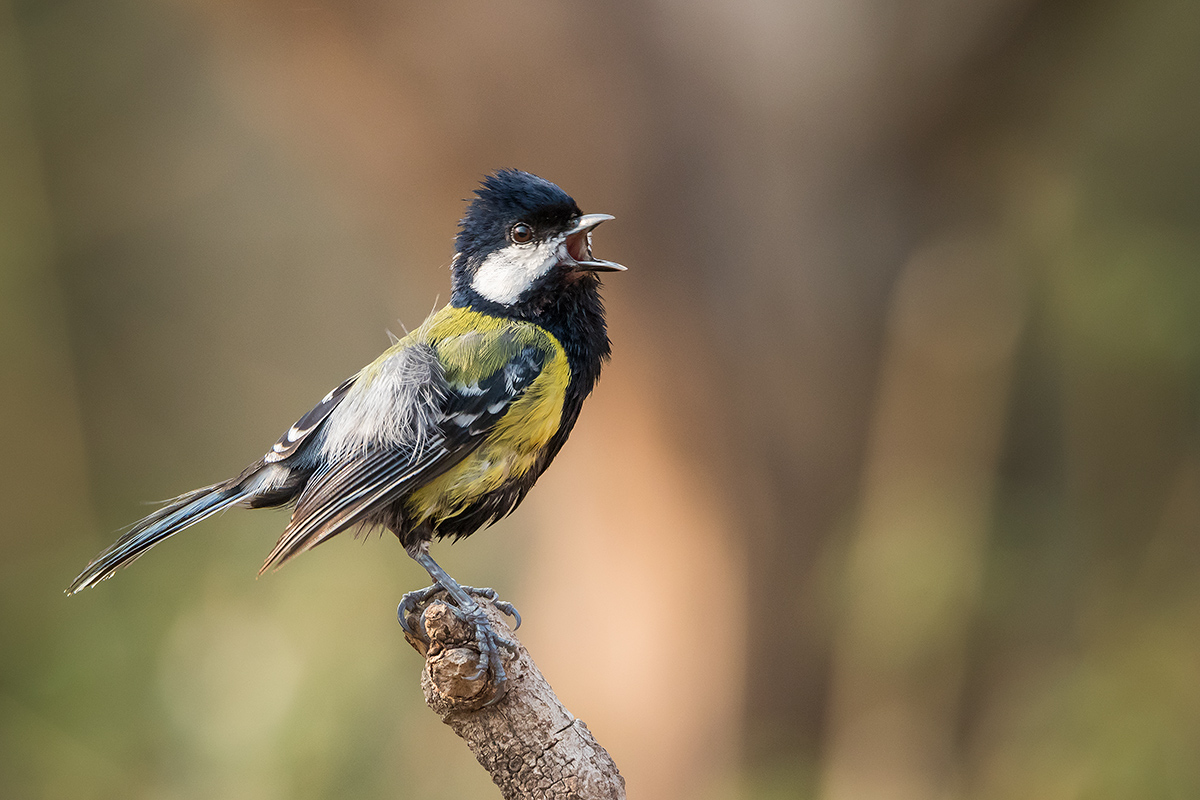 📍 817 km 🐦 Watch Blue Whistling-thrush Amidst Himalayan Peaks
 Khangchendzonga National Park
 📍 950 km 🦌 Tufted Deer Haven in Jiuzhaigou