Kaziranga National Park
🇮🇳 India
🦏 Great Indian Rhinoceros in Elephant GrassKaziranga National Park sits in the northeastern corner of India, protecting a dense tropical rainforest crossed by wide river channels and tall grassland patches. This terrain differs from dry scrubland reserves through its constant moisture and thick canopy cover, which supports a heavy concentration of plant growth year-round.
26.682° N 93.390° E
Wildlife
⭐ Iconic Species
 ★
★ Great Indian Rhinoceros
Rhinoceros unicornis
 ★
★ Asian Elephant
Elephas maximus
 ★
★ Tiger
Panthera tigris
 ★
★ Pearl-necked Dove
Spilopelia chinensis
📊 Most Spotted

Hog Deer
Axis porcinus

Jungle Myna
Acridotheres fuscus

White-throated Kingfisher
Halcyon smyrnensis

Indochinese Roller
Coracias affinis

Rose-ringed Parakeet
Psittacula krameri

Indian Pond Heron
Ardeola grayii

Wild Boar
Sus scrofa

Indian Pied Starling
Gracupica contra

Asian Openbill Stork
Anastomus oscitans

Wild Water Buffalo
Bubalus arnee

Barasingha
Rucervus duvaucelii

Red Junglefowl
Gallus gallus
⭐ Iconic Species
★ Great Indian Rhinoceros
Rhinoceros unicornis
★ Asian Elephant
Elephas maximus
★ Tiger
Panthera tigris
📊 Most Spotted
Hog Deer
Axis porcinus
Wild Boar
Sus scrofa
Wild Water Buffalo
Bubalus arnee
Barasingha
Rucervus duvaucelii

Rhesus Macaque
Macaca mulatta

Irrawaddy Squirrel
Callosciurus pygerythrus

Smooth Coated Otter
Lutrogale perspicillata

Capped Langur
Trachypithecus pileatus

Sambar
Rusa unicolor

Western Hoolock Gibbon
Hoolock hoolock

Black Giant Squirrel
Ratufa bicolor

Indian Muntjac
Muntiacus muntjak
⭐ Iconic Species
📊 Most Spotted
Jungle Myna
Acridotheres fuscus
White-throated Kingfisher
Halcyon smyrnensis
Indochinese Roller
Coracias affinis
Rose-ringed Parakeet
Psittacula krameri
Indian Pond Heron
Ardeola grayii
Indian Pied Starling
Gracupica contra
Asian Openbill Stork
Anastomus oscitans
Red Junglefowl
Gallus gallus

Red-wattled Lapwing
Vanellus indicus

Oriental Darter
Anhinga melanogaster

Black Drongo
Dicrurus macrocercus

Lesser Adjutant
Leptoptilos javanicus
📊 Most Spotted

Bengal Monitor
Varanus bengalensis

Assam Roofed Turtle
Pangshura sylhetensis

Common Water Monitor
Varanus salvator

Tokay Gecko
Gekko gecko

Black Pond Turtle
Geoclemys hamiltonii

Eastern bronzeback tree snake
Dendrelaphis proarchos

Indian Roofed Turtle
Pangshura tecta

Black Soft-shell Turtle
Nilssonia nigricans

Oriental Garden Lizard
Calotes versicolor

Indian Wolf Snake
Lycodon aulicus

Burmese Python
Python bivittatus

Copperhead Rat Snake
Coelognathus radiatus

Animal Events
One‑horned Rhinoceros breeding season
Mating peaks and females give birth during the cooler months, enhancing calf survival.
Elephant congregation period
Large elephant herds congregate near floodplains as waters recede, facilitating social interactions.
waterfowl influx
Migratory geese and ducks arrive from Central Asia, filling lakes and wetlands.

Sighting Calendar
Chance of spotting each species, month by month
Sighting Zones
Warm areas are where all species together are recorded most, so they track where people go as much as where animals are. For one species, see the map on its own page.
Where Wildlife Score
How good is this park for seeing wildlife?Biodiversity
Very goodHow rich is the wildlife?
Sighting
ExcellentHow likely to see animals?
Quick answers
What animals can you see in Kaziranga National Park?
The most likely sightings are Great Indian Rhinoceros (seen by 70–80% of wildlife watchers), Pearl-necked Dove (seen by 70–80% of wildlife watchers), Hog Deer (seen by 70–80% of wildlife watchers), Jungle Myna (seen by 70–80% of wildlife watchers), White-throated Kingfisher (seen by 70–80% of wildlife watchers) — among 1113 recorded vertebrate species, based on citizen-science data from GBIF.
When is the best time to visit Kaziranga National Park for wildlife?
April has the highest combined sighting rate for the park's top species in our month-by-month GBIF data. The full sighting calendar on this page shows each species' best months.
Can you see Great Indian Rhinoceros in Kaziranga National Park?
Yes — about 77% of wildlife watchers report a Great Indian Rhinoceros sighting in Kaziranga National Park, based on 64 days of visitor records from GBIF citizen-science data.
Can you see Asian Elephant in Kaziranga National Park?
Yes — about 68% of wildlife watchers report a Asian Elephant sighting in Kaziranga National Park, based on 43 days of visitor records from GBIF citizen-science data.
Can you see Tiger in Kaziranga National Park?
Yes — about 39% of wildlife watchers report a Tiger sighting in Kaziranga National Park, based on 23 days of visitor records from GBIF citizen-science data.
Can you see Pearl-necked Dove in Kaziranga National Park?
Yes — about 75% of wildlife watchers report a Pearl-necked Dove sighting in Kaziranga National Park, based on 1,761 days of visitor records from GBIF citizen-science data.
Explore Other Parks
 📍 263 km 🐒 Royal Manas Gee's Golden Langur Refuge
 Royal Manas National Park
 📍 333 km 🐿️ Red Giant Flying Squirrel Glides Namdapha
 Namdapha National Park
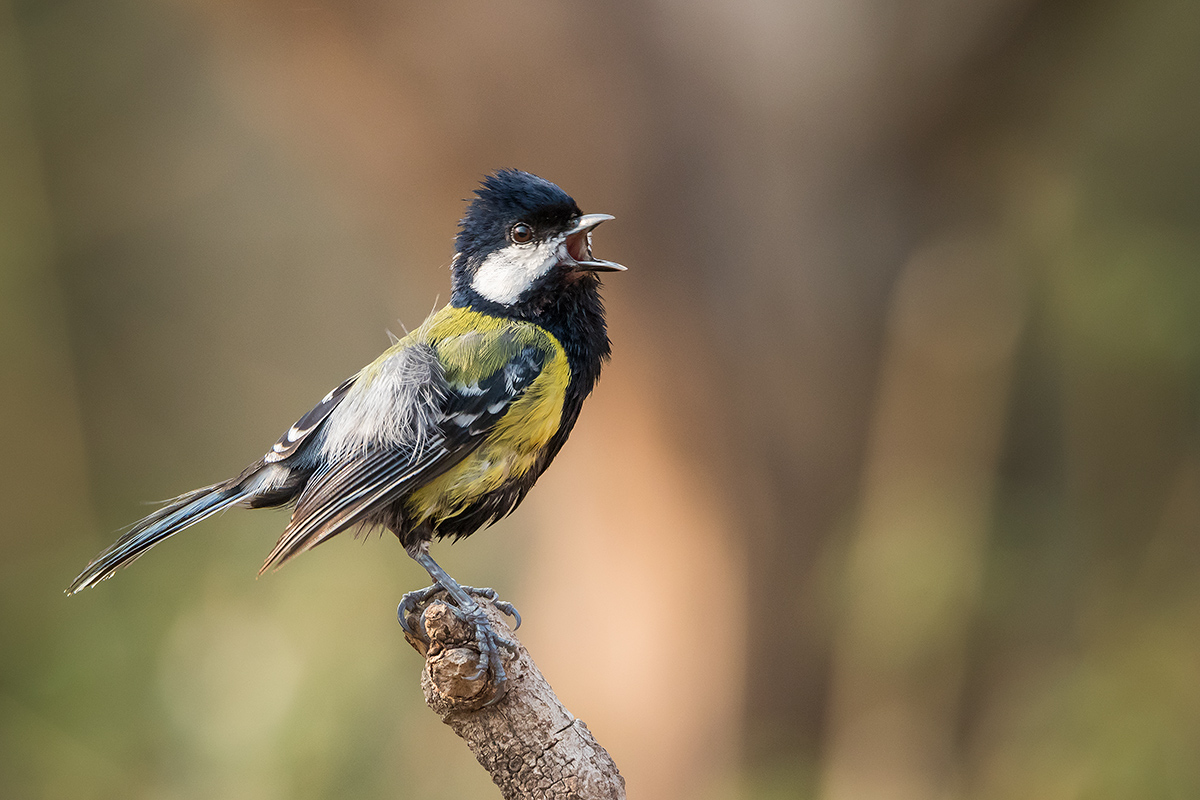 📍 515 km 🐦 Watch Blue Whistling-thrush Amidst Himalayan Peaks
 Khangchendzonga National Park
 📍 697 km 🐯 Swimming Tigers in the Mangrove Maze