Royal Manas National Park
🇧🇹 Bhutan
🐒 Royal Manas Gee's Golden Langur RefugeRoyal Manas National Park is a protected lowland and riverine tropical rainforest spanning southern Bhutan, featuring dense jungle vegetation and winding forest trails. This lowland sanctuary is celebrated for shielding rare primates and massive herbivores within its thick canopy and bamboo thickets.
26.920° N 90.750° E
Wildlife
⭐ Iconic Species
 ★
★ Gee's Golden Langur
Trachypithecus geei
 ★
★ Asian Elephant
Elephas maximus
 ★
★ Great Indian Rhinoceros
Rhinoceros unicornis
 ★
★ Gaur
Bos frontalis
📊 Most Spotted

Blue-throated Barbet
Psilopogon asiaticus

Scarlet Minivet
Pericrocotus speciosus

Capped Langur
Trachypithecus pileatus

Streaked Spiderhunter
Arachnothera magna

Bronzed Drongo
Dicrurus aeneus

Orange-bellied Leafbird
Chloropsis hardwickii

Blue Whistling-Thrush
Myophonus caeruleus

Great Hornbill
Buceros bicornis

Ashy-fronted Bearded Bulbul
Alophoixus flaveolus

Black Giant Squirrel
Ratufa bicolor

Wild Water Buffalo
Bubalus arnee

Great Barbet
Psilopogon virens
⭐ Iconic Species
★ Gee's Golden Langur
Trachypithecus geei
★ Asian Elephant
Elephas maximus
★ Great Indian Rhinoceros
Rhinoceros unicornis
★ Gaur
Bos frontalis
📊 Most Spotted
Capped Langur
Trachypithecus pileatus
Black Giant Squirrel
Ratufa bicolor
Wild Water Buffalo
Bubalus arnee

Assam Macaque
Macaca assamensis

Sambar
Rusa unicolor

Irrawaddy Squirrel
Callosciurus pygerythrus

Indian Muntjac
Muntiacus muntjak

Yellow-throated Marten
Martes flavigula

Himalayan Striped Squirrel
Tamiops mcclellandii

Eurasian Otter
Lutra lutra

Orange-bellied Himalayan Squirrel
Dremomys lokriah

Grey Himalayan Goral
Naemorhedus goral
📊 Most Spotted
Blue-throated Barbet
Psilopogon asiaticus
Scarlet Minivet
Pericrocotus speciosus
Streaked Spiderhunter
Arachnothera magna
Bronzed Drongo
Dicrurus aeneus
Orange-bellied Leafbird
Chloropsis hardwickii
Blue Whistling-Thrush
Myophonus caeruleus
Great Hornbill
Buceros bicornis
Ashy-fronted Bearded Bulbul
Alophoixus flaveolus
Great Barbet
Psilopogon virens

Black Bulbul
Hypsipetes leucocephalus

Ashy Bulbul
Hemixos flavala

Chestnut-bellied Nuthatch
Sitta cinnamoventris
📊 Most Spotted

Oriental Garden Lizard
Calotes versicolor

Spotted Forest Skink
Sphenomorphus maculatus

King Cobra
Ophiophagus hannah

Common Mock Viper
Psammodynastes pulverulentus

Chinese Ratsnake
Ptyas korros

Copperhead Rat Snake
Coelognathus radiatus

Tokay Gecko
Gekko gecko

Common House Gecko
Hemidactylus frenatus
Mountain Worm-eating Snake
Trachischium monticola
📊 Most Spotted
Animal Events
Gee's Golden Langur Mating Season
During these peak months, groups of Gee's Golden Langurs become highly active across the canopy as courtship displays and territorial interactions increase significantly.
Asian Elephant River Valley Migration
Asian Elephants congregate in family herds along the riverbanks and lowland floodplains to access fresh water and seasonal forage.
Great Indian Rhinoceros Grassland Grazing
Great Indian Rhinoceroses spend extended hours wallowing in mud holes and feeding intensively on newly sprouted grasses in the alluvial floodplains.
Sighting Calendar
Chance of spotting each species, month by month
Sighting Zones
Warm areas are where all species together are recorded most, so they track where people go as much as where animals are. For one species, see the map on its own page.
Where Wildlife Score
How good is this park for seeing wildlife?Biodiversity
Very goodHow rich is the wildlife?
Sighting
Very goodHow likely to see animals?
Quick answers
What animals can you see in Royal Manas National Park?
The most likely sightings are Blue-throated Barbet (seen by 60–70% of wildlife watchers), Gee's Golden Langur (seen by 60–70% of wildlife watchers), Scarlet Minivet (seen by 60–70% of wildlife watchers), Capped Langur (seen by 60–70% of wildlife watchers), Streaked Spiderhunter (seen by 50–60% of wildlife watchers) — among 1220 recorded vertebrate species, based on citizen-science data from GBIF.
When is the best time to visit Royal Manas National Park for wildlife?
April has the highest combined sighting rate for the park's top species in our month-by-month GBIF data. The full sighting calendar on this page shows each species' best months.
Can you see Gee's Golden Langur in Royal Manas National Park?
Yes — about 65% of wildlife watchers report a Gee's Golden Langur sighting in Royal Manas National Park, based on 21 days of visitor records from GBIF citizen-science data.
Can you see Asian Elephant in Royal Manas National Park?
Yes — about 57% of wildlife watchers report a Asian Elephant sighting in Royal Manas National Park, based on 52 days of visitor records from GBIF citizen-science data.
Can you see Great Indian Rhinoceros in Royal Manas National Park?
Yes — about 45% of wildlife watchers report a Great Indian Rhinoceros sighting in Royal Manas National Park, based on 32 days of visitor records from GBIF citizen-science data.
Can you see Gaur in Royal Manas National Park?
Yes — about 32% of wildlife watchers report a Gaur sighting in Royal Manas National Park, based on 5 days of visitor records from GBIF citizen-science data.
Explore Other Parks
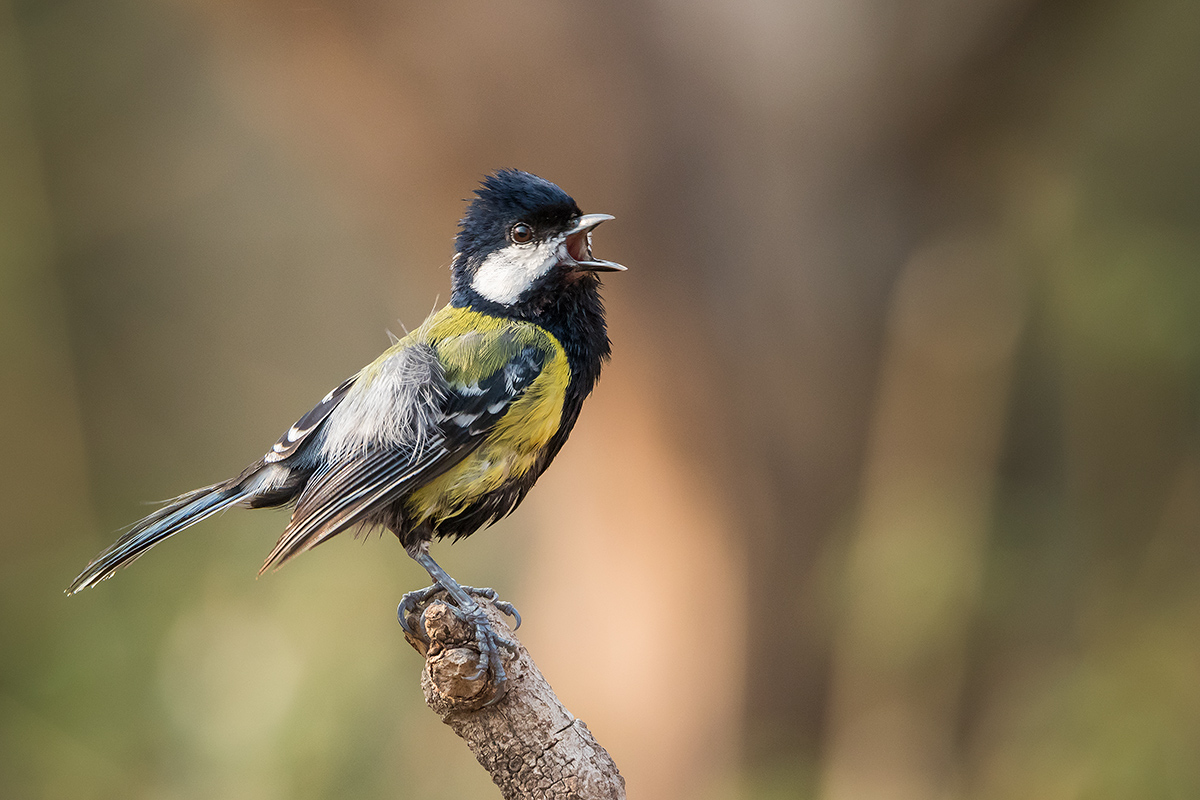 📍 256 km 🐦 Watch Blue Whistling-thrush Amidst Himalayan Peaks
 Khangchendzonga National Park
 📍 263 km 🦏 Great Indian Rhinoceros in Elephant Grass
 Kaziranga National Park
 📍 537 km 🐻 Red Panda Winter Wonderland
 Langtang National Park
 📍 583 km 🐿️ Red Giant Flying Squirrel Glides Namdapha