Sundarbans National Park
🇮🇳 India
🐯 Swimming Tigers in the Mangrove MazeSundarbans National Park is a massive mangrove forest situated in the delta region of the Indian subcontinent, where vast tidal waterways divide dense thickets of salt-tolerant trees. Unlike traditional dryland reserves, this wetland labyrinth floods and drains with the ocean tides, creating an ever-shifting coastal maze of mudflats and branching channels.
21.955° N 88.866° E
Wildlife
⭐ Iconic Species
 ★
★ Tiger
Panthera tigris
 ★
★ Saltwater Crocodile
Crocodylus porosus
 ★
★ Collared Kingfisher
Todiramphus chloris
📊 Most Spotted
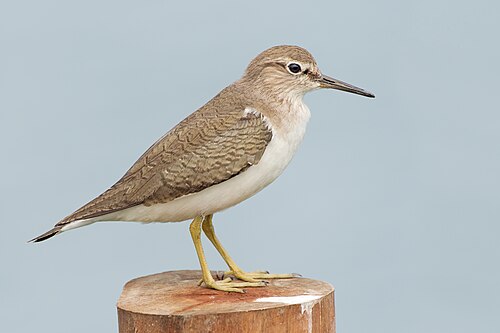
Common Sandpiper
Actitis hypoleucos

Whimbrel
Numenius phaeopus

Common Kingfisher
Alcedo atthis

Indian Pond Heron
Ardeola grayii

Little Egret
Egretta garzetta

Axis Deer
Axis axis

Common Water Monitor
Varanus salvator

White-throated Kingfisher
Halcyon smyrnensis

Pearl-necked Dove
Spilopelia chinensis

Great Egret
Ardea alba

Rhesus Macaque
Macaca mulatta

Eurasian Curlew
Numenius arquata
⭐ Iconic Species
📊 Most Spotted
Axis Deer
Axis axis
Rhesus Macaque
Macaca mulatta

Wild Boar
Sus scrofa

Jungle Cat
Felis chaus

Fishing Cat
Prionailurus viverrinus

Irrawaddy Dolphin
Orcaella brevirostris

Greater Short-nosed Fruit Bat
Cynopterus sphinx
⭐ Iconic Species
📊 Most Spotted
Common Sandpiper
Actitis hypoleucos
Whimbrel
Numenius phaeopus
Common Kingfisher
Alcedo atthis
Indian Pond Heron
Ardeola grayii
Little Egret
Egretta garzetta
White-throated Kingfisher
Halcyon smyrnensis
Pearl-necked Dove
Spilopelia chinensis
Great Egret
Ardea alba
Eurasian Curlew
Numenius arquata

Common Redshank
Tringa totanus

Striated Heron
Butorides striata

Asian Green Bee-eater
Merops orientalis
⭐ Iconic Species
📊 Most Spotted
Common Water Monitor
Varanus salvator

Spot-tailed Pitviper
Trimeresurus erythrurus

Common Batagur
Batagur baska

Oriental Garden Lizard
Calotes versicolor

Chequered Keelback
Fowlea piscator

King Cobra
Ophiophagus hannah

Dhaman
Ptyas mucosa

Golden Tree Snake
Chrysopelea ornata
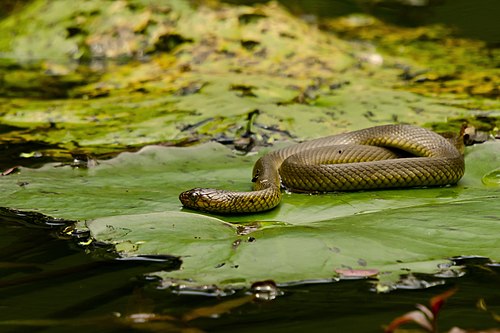
Rainbow Mud Snake
Enhydris enhydris

Cat-eyed Fishing Snake
Gerarda prevostiana

Brahminy Blindsnake
Indotyphlops braminus

Variable Coloured Vine Snake
Ahaetulla anomala

Animal Events
Tiger Tracking & Boat Safaris
Tigers swim between islands during low tide, often leaving pugmarks on mudflats or swimming with prey. Boat safaris navigate tidal channels to observe these behaviors from a safe distance.
Saltwater Crocodile Nesting
During winter, female saltwater crocodiles excavate nests in sandy riverbanks or mangrove islands. Hatchlings emerge in April-May, with adults guarding nests from predators like monitor lizards.
Mangrove Avian Congregations
Monsoon and post-monsoon months trigger mass nesting of waterbirds in mangrove canopies and mudflats. Tidal rhythms concentrate thousands of wading birds feeding on exposed invertebrates.
Sighting Calendar
Chance of spotting each species, month by month
Sighting Zones
Warm areas are where all species together are recorded most, so they track where people go as much as where animals are. For one species, see the map on its own page.
Where Wildlife Score
How good is this park for seeing wildlife?Biodiversity
Very goodHow rich is the wildlife?
Sighting
ExcellentHow likely to see animals?
Quick answers
What animals can you see in Sundarbans National Park?
The most likely sightings are Collared Kingfisher (seen by 80–90% of wildlife watchers), Saltwater Crocodile (seen by 70–80% of wildlife watchers), Common Sandpiper (seen by 70–80% of wildlife watchers), Whimbrel (seen by 70–80% of wildlife watchers), Common Kingfisher (seen by 70–80% of wildlife watchers) — among 780 recorded vertebrate species, based on citizen-science data from GBIF.
When is the best time to visit Sundarbans National Park for wildlife?
July has the highest combined sighting rate for the park's top species in our month-by-month GBIF data. The full sighting calendar on this page shows each species' best months.
Can you see Tiger in Sundarbans National Park?
Yes — about 48% of wildlife watchers report a Tiger sighting in Sundarbans National Park, based on 9 days of visitor records from GBIF citizen-science data.
Can you see Saltwater Crocodile in Sundarbans National Park?
Yes — about 76% of wildlife watchers report a Saltwater Crocodile sighting in Sundarbans National Park, based on 36 days of visitor records from GBIF citizen-science data.
Can you see Collared Kingfisher in Sundarbans National Park?
Yes — about 82% of wildlife watchers report a Collared Kingfisher sighting in Sundarbans National Park, based on 833 days of visitor records from GBIF citizen-science data.
Explore Other Parks
 📍 584 km 🐒 Royal Manas Gee's Golden Langur Refuge
 Royal Manas National Park
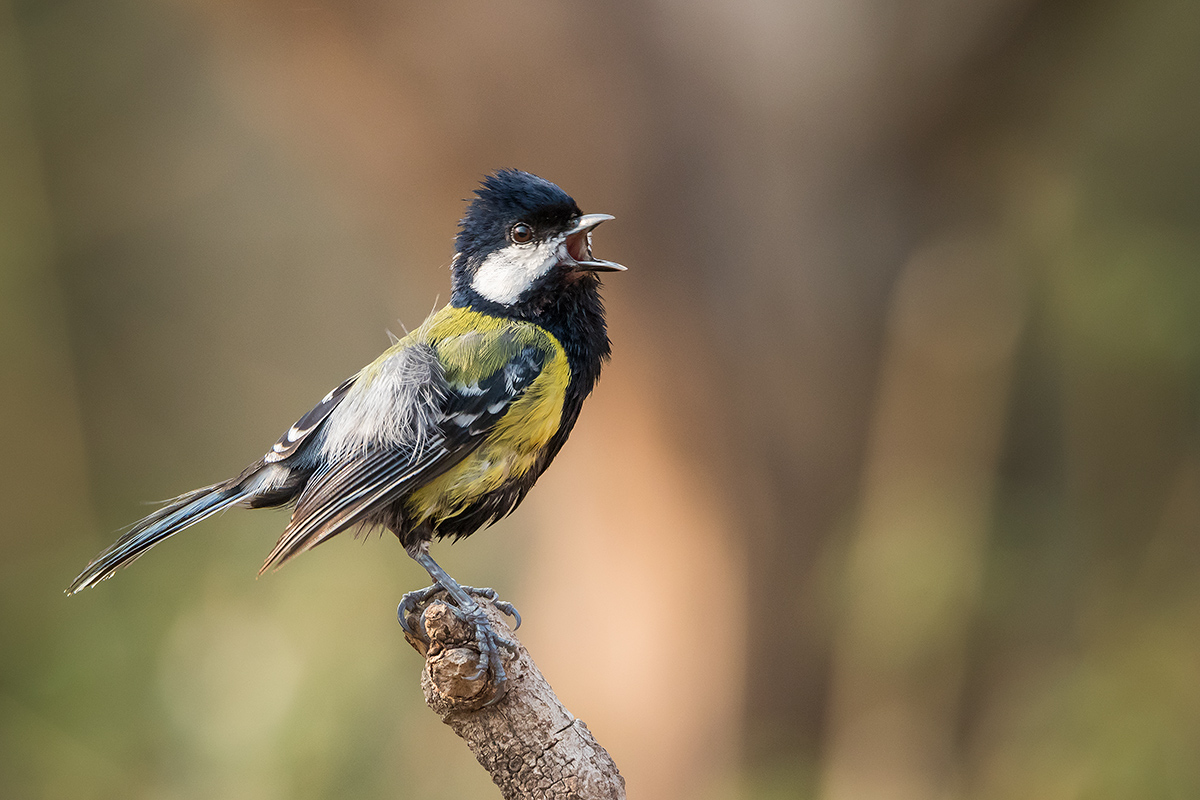 📍 644 km 🐦 Watch Blue Whistling-thrush Amidst Himalayan Peaks
 Khangchendzonga National Park
 📍 697 km 🦏 Great Indian Rhinoceros in Elephant Grass
 Kaziranga National Park
 📍 747 km 🦏 Rhinoceros Roaming Chitwan's Wetlands