

Zimmermann's Poison Frog
Ranitomeya variabilis
- KingdomAnimalia (Animals)
- PhylumChordata (Cordats)
- ClassAmphibia (Amfibis)
- OrderAnura (Anurs)
- FamilyDendrobatidae (Poison Dart Frogs)
- GenusRanitomeya
- SpeciesRanitomeya variabilis (Zimmermann's Poison Frog)
Ranitomeya variabilis, formerly known as Dendrodates variabilis, is a species of small poison dart frog distributed in northern Peru, along the eastern slope of Andes in the upper Rio Huallaga drainage basin. Its common name, Zimmerman's poison frog, is named after Elke Zimmermann, a German zoologist who described the morph of this species and differentiated it from D. ventrimaculatus. The species was formerly considered to be synonymous with Ranitomeya ventrimaculata. Ranitomeya variabilis usually has a bright yellow body with deep blue limbs, and black spots or stripes across the ventral side of the body. The colors change in some geographic locations. R. variabilis has different mimicry relationships with two other species. Wikipedia →
10–20% of wildlife watchers report a Zimmermann's Poison Frog sighting in Yasuní National Park, based on 21 days of visitor records from GBIF citizen-science data.
Closest Relatives at Yasuní National Park

Reticulated Poison Frog
Ranitomeya ventrimaculata

Ecuador Poison Frog
Ameerega bilinguis

Pale-striped Poison Frog
Ameerega hahneli
Ruby Poison Frog
Ameerega parvula
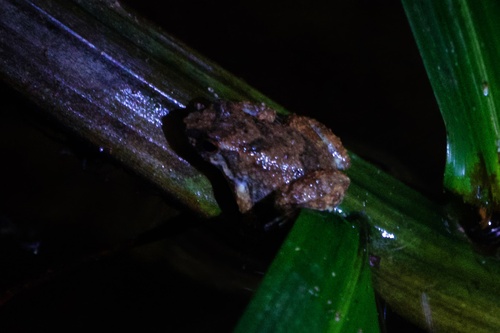
Yasuni Rocket Frog
Hyloxalus yasuni
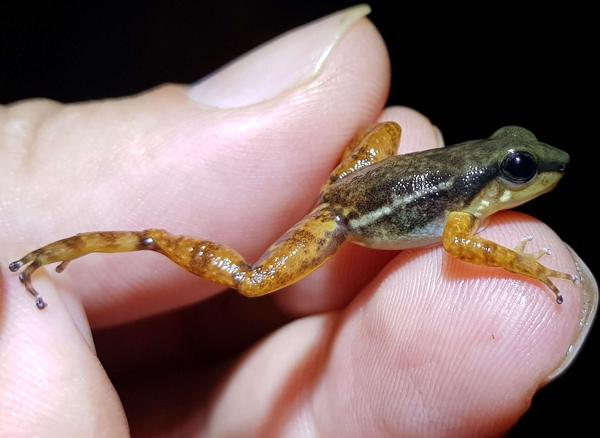
Santa Cecilia Rocket Frog
Hyloxalus sauli

South American Common Toad
Rhinella margaritifera

Common Big-headed Frog
Oreobates quixensis

Smoky Jungle Frog
Leptodactylus pentadactylus

Smooth-sided Toad
Rhaebo guttatus

White-lined Leaf Frog
Phyllomedusa vaillantii

Eastern Cane Toad
Rhinella marina
📅 Monthly Probability
☀️🌙 When They're Spotted
Active throughout day and night · across all parks (global)
Global Distribution
Where this species is recorded worldwide. Restricted to human observations from 2019 onwards — the same kind of record and the same period the probabilities on this page are built from, so collar-tracking studies, camera-trap arrays and museum specimens are excluded. Around Santa Rosa that removes 5,924 GPS fixes from a handful of tagged jaguars.
where this species is recorded (GBIF density — it tracks where observers go, not how likely a sighting is) · parks where it occurs — tap a pin for the sighting probability there
Parks Where Found
| # | Park | Country | Probability |
|---|---|---|---|
| 1 | Cordillera Azul National Park | 🇵🇪 Peru | |
| 2 | Yasuní National Park | 🇪🇨 Ecuador | |
| 3 | Cuyabeno Wildlife Reserve | 🇪🇨 Ecuador | |
| 4 | Amacayacu National Natural Park | 🇨🇴 Colombia |
Quick answers
What are the chances of seeing a Zimmermann's Poison Frog in Yasuní National Park?
About 16% of wildlife watchers report a Zimmermann's Poison Frog sighting in Yasuní National Park, based on 21 days of visitor records from GBIF citizen-science data.
When is the best time to see Zimmermann's Poison Frog in Yasuní National Park?
August has the highest sighting rate for Zimmermann's Poison Frog in Yasuní National Park in our monthly data.