


European Oystercatcher
Haematopus ostralegus
- KingdomAnimalia (Animals)
- PhylumChordata (Cordats)
- ClassAves (Aus)
- OrderCharadriiformes (Caradriformes)
- FamilyHaematopodidae (Oystercatchers)
- GenusHaematopus (Oystercatchers)
- SpeciesHaematopus ostralegus (European Oystercatcher)
The Eurasian oystercatcher or European oystercatcher (Haematopus ostralegus), also known as the common pied oystercatcher, or (in Europe) just oystercatcher, is a wader in the oystercatcher bird family Haematopodidae. It has striking black and white plumage, a long straight orange-red bill, red eyes and relatively short dull pink legs. The sexes are similar in appearance but the bill of the female is longer than that of the male. It is the most widespread of the oystercatchers, with four subspecies breeding in western Europe, central Eurosiberia, Kamchatka, China, and the western coast of Korea. No other oystercatcher occurs within this area. Wikipedia →
<5% of wildlife watchers report a European Oystercatcher sighting in Tsavo East National Park, based on 56 days of visitor records from GBIF citizen-science data.
Closest Relatives at Tsavo East National Park

Spur-winged Lapwing
Vanellus spinosus

Common Greenshank
Tringa nebularia

Little Stint
Calidris minuta

Crowned Lapwing
Vanellus coronatus
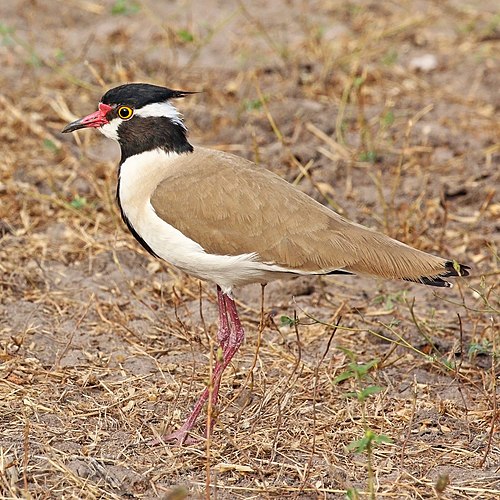
Black-headed Lapwing
Vanellus tectus

Common Ringed Plover
Charadrius hiaticula
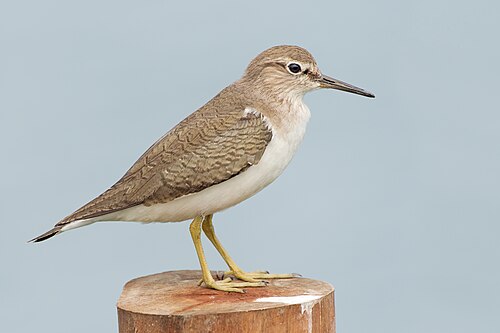
Common Sandpiper
Actitis hypoleucos

Whimbrel
Numenius phaeopus

Crab-Plover
Dromas ardeola

Gull-billed Tern
Gelochelidon nilotica

Black-bellied Plover
Pluvialis squatarola

Wood Sandpiper
Tringa glareola
📅 Monthly Probability
☀️ When They're Spotted
Most active during daytime hours (6am–6pm) · across all parks (global)
Global Distribution
Where this species is recorded worldwide. Restricted to human observations from 2019 onwards — the same kind of record and the same period the probabilities on this page are built from, so collar-tracking studies, camera-trap arrays and museum specimens are excluded. Around Santa Rosa that removes 5,924 GPS fixes from a handful of tagged jaguars.
where this species is recorded (GBIF density — it tracks where observers go, not how likely a sighting is) · parks where it occurs — tap a pin for the sighting probability there
Parks Where Found
| # | Park | Country | Probability |
|---|---|---|---|
| 1 | Wadden Sea National Park | 🇩🇪 Germany | |
| 2 | Snowdonia National Park | 🇬🇧 United Kingdom | |
| 3 | Thingvellir National Park | 🇮🇸 Iceland | |
| 4 | Cairngorms National Park | 🇬🇧 United Kingdom | |
| 5 | Vatnajokull National Park | 🇮🇸 Iceland | |
| 6 | Tsavo East National Park | 🇰🇪 Kenya | |
| 7 | Doñana National Park | 🇪🇸 Spain | |
| 8 | iSimangaliso Wetland Park | 🇿🇦 South Africa | |
| 9 | Białowieża National Park | 🇵🇱 Poland | |
| 10 | Taroko National Park | 🇹🇼 Taiwan | |
| 11 | Garden Route National Park | 🇿🇦 South Africa | |
| 12 | Kiskunság National Park | 🇭🇺 Hungary | |
| 13 | Fertő-Hanság National Park | 🇭🇺 Hungary | |
| 14 | Biebrza National Park | 🇵🇱 Poland |
Quick answers
What are the chances of seeing a European Oystercatcher in Tsavo East National Park?
About 3% of wildlife watchers report a European Oystercatcher sighting in Tsavo East National Park, based on 56 days of visitor records from GBIF citizen-science data.
When is the best time to see European Oystercatcher in Tsavo East National Park?
July has the highest sighting rate for European Oystercatcher in Tsavo East National Park in our monthly data.