


Western Meadowlark
Sturnella neglecta
- KingdomAnimalia (Animals)
- PhylumChordata (Cordats)
- ClassAves (Aus)
- OrderPasseriformes
- FamilyIcteridae (Ictèrids)
- GenusSturnella (Yellow-breasted Meadowlarks)
- SpeciesSturnella neglecta (Western Meadowlark)
The western meadowlark (Sturnella neglecta) is a medium-sized icterid bird, about 20 cm (7.9 in) in length. It is found across western and central North America and is a partial migrant, breeding in western Canada and western United States west of the Great Lakes, and in northern Mexico. In the northern half of the breeding range, the birds migrate south for the winter, while further south they are resident all year. The winter range also extends south and southeast of the breeding range, as far as central Mexico, and east to western Florida. The western meadowlark nests on the ground in open grasslands and shrublands. It feeds on bugs and seeds. Wikipedia →
Closest Relatives at Wood Buffalo National Park

Red-winged Blackbird
Agelaius phoeniceus

Rusty Blackbird
Euphagus carolinus

Yellow-headed Blackbird
Xanthocephalus xanthocephalus
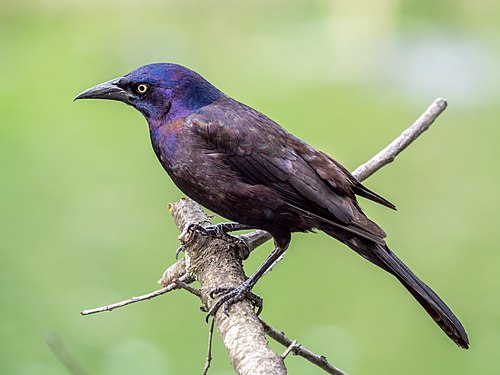
Common Grackle
Quiscalus quiscula

Brewer's Blackbird
Euphagus cyanocephalus

Common Raven
Corvus corax

American Robin
Turdus migratorius

Dark-eyed Junco
Junco hyemalis

Yellow-rumped Warbler
Setophaga coronata

Gray Jay
Perisoreus canadensis

Black-capped Chickadee
Poecile atricapillus

White-throated Sparrow
Zonotrichia albicollis
📅 Monthly Probability
Fewer than 5 records of Western Meadowlark at Wood Buffalo National Park — not enough to chart months honestly.
☀️ When They're Spotted
Most active during daytime hours (6am–6pm) · across all parks (global)
Global Distribution
Where this species is recorded worldwide. Restricted to human observations from 2019 onwards — the same kind of record and the same period the probabilities on this page are built from, so collar-tracking studies, camera-trap arrays and museum specimens are excluded. Around Santa Rosa that removes 5,924 GPS fixes from a handful of tagged jaguars.
where this species is recorded (GBIF density — it tracks where observers go, not how likely a sighting is) · parks where it occurs — tap a pin for the sighting probability there