


Silver Gull
Chroicocephalus novaehollandiae
- KingdomAnimalia (Animals)
- PhylumChordata (Cordats)
- ClassAves (Aus)
- OrderCharadriiformes (Caradriformes)
- FamilyLaridae (Gulls, Terns, and Skimmers)
- GenusChroicocephalus (Masked Gulls and allies)
- SpeciesChroicocephalus novaehollandiae (Silver Gull)
The silver gull (Chroicocephalus novaehollandiae) is a gull in Oceania. It is the most common gull of Australia. It has been found throughout the continent, but particularly at or near coastal areas. It is smaller than the Pacific gull (Larus pacificus), which also lives in Australia. The silver gull should not be confused with the herring gull, which is called "silver gull" in many other languages (scientific name Larus argentatus, German Silbermöwe, French Goéland argenté, Dutch zilvermeeuw), but is a much larger, robust gull with no overlap in range. Wikipedia →
40–50% of wildlife watchers report a Silver Gull sighting in Noosa National Park, based on 61 days of visitor records from GBIF citizen-science data.
Closest Relatives at Noosa National Park

Crested Tern
Thalasseus bergii

Caspian Tern
Hydroprogne caspia

Little Tern
Sternula albifrons

Common Tern
Sterna hirundo

Bridled Tern
Onychoprion anaethetus

Lesser Crested Tern
Thalasseus bengalensis

Sooty Oystercatcher
Haematopus fuliginosus

Bush Stone-curlew
Burhinus grallarius

Pied Oystercatcher
Haematopus longirostris

Masked Lapwing
Vanellus miles
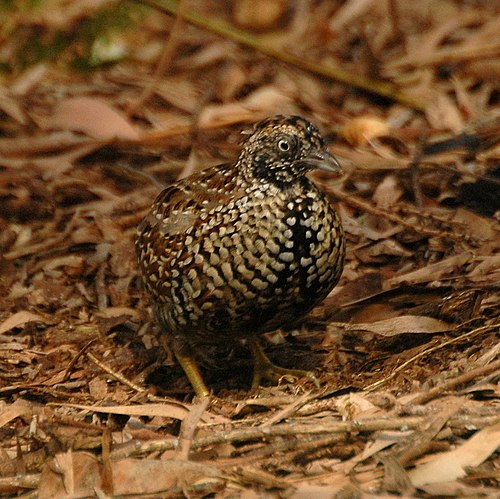
Black-breasted Buttonquail
Turnix melanogaster

Painted Buttonquail
Turnix varius
📅 Monthly Probability
☀️ When They're Spotted
Most active during daytime hours (6am–6pm) · across all parks (global)
Global Distribution
Where this species is recorded worldwide. Restricted to human observations from 2019 onwards — the same kind of record and the same period the probabilities on this page are built from, so collar-tracking studies, camera-trap arrays and museum specimens are excluded. Around Santa Rosa that removes 5,924 GPS fixes from a handful of tagged jaguars.
where this species is recorded (GBIF density — it tracks where observers go, not how likely a sighting is) · parks where it occurs — tap a pin for the sighting probability there
Parks Where Found
| # | Park | Country | Probability |
|---|---|---|---|
| 1 | Rakiura National Park | 🇳🇿 New Zealand | |
| 2 | Ningaloo Marine Park | 🇦🇺 Australia | |
| 3 | Wilsons Promontory National Park | 🇦🇺 Australia | |
| 4 | Freycinet National Park | 🇦🇺 Australia | |
| 5 | Maria Island National Park | 🇦🇺 Australia | |
| 6 | Abel Tasman National Park | 🇳🇿 New Zealand | |
| 7 | Booderee National Park | 🇦🇺 Australia | |
| 8 | Great Otway National Park | 🇦🇺 Australia | |
| 9 | Noosa National Park | 🇦🇺 Australia | |
| 10 | Fiordland National Park | 🇳🇿 New Zealand | |
| 11 | Royal National Park | 🇦🇺 Australia | |
| 12 | Daintree National Park | 🇦🇺 Australia | |
| 13 | Grampians National Park | 🇦🇺 Australia | |
| 14 | Kosciuszko National Park | 🇦🇺 Australia | |
| 15 | Tongariro National Park | 🇳🇿 New Zealand | |
| 16 | Blue Mountains National Park | 🇦🇺 Australia | |
| 17 | Aoraki Mount Cook National Park | 🇳🇿 New Zealand | |
| 18 | Springbrook National Park | 🇦🇺 Australia | |
| 19 | Cradle Mountain-Lake St Clair National Park | 🇦🇺 Australia | |
| 20 | Kakadu National Park | 🇦🇺 Australia | |
| 21 | Arthur's Pass National Park | 🇳🇿 New Zealand |
Quick answers
What are the chances of seeing a Silver Gull in Noosa National Park?
About 41% of wildlife watchers report a Silver Gull sighting in Noosa National Park, based on 61 days of visitor records from GBIF citizen-science data.
When is the best time to see Silver Gull in Noosa National Park?
November has the highest sighting rate for Silver Gull in Noosa National Park in our monthly data.