


Cheetah
Acinonyx jubatus
- KingdomAnimalia (Animals)
- PhylumChordata (Cordats)
- ClassMammalia (Mamífers)
- OrderCarnivora (Carnívors)
- FamilyFelidae (Felids)
- GenusAcinonyx (Cheetahs)
- SpeciesAcinonyx jubatus (Cheetah)
The cheetah (Acinonyx jubatus) is a species of large feline and the only living member of the genus Acinonyx. The cheetah is a pursuit predator and the fastest land animal, capable of running at 93–104 km/h (58–65 mph); it has evolved for speed, having powerful hindlimb muscles, long limbs and a flexible spine. The cheetah has a tawny to creamy white or pale buff fur that is marked with evenly spaced, solid black spots. The head is small and rounded, with a short snout and black tear-like facial streaks. It has a height of 67–94 cm (2.20–3.08 ft) at the shoulder, and the head-and-body length is between 1.1 and 1.5 m (3 ft 7 in and 4 ft 11 in). Adults weigh between 21 and 65 kg (46 and 143 lb). Wikipedia →
10–20% of wildlife watchers report a Cheetah sighting in Tsavo East National Park, based on 28 days of visitor records from GBIF citizen-science data.
Closest Relatives at Tsavo East National Park

Lion
Panthera leo

Leopard
Panthera pardus

Caracal
Caracal caracal

Serval
Leptailurus serval

African Wildcat
Felis lybica

Banded Mongoose
Mungos mungo

Common Dwarf Mongoose
Helogale parvula
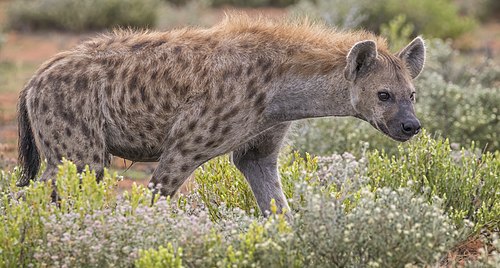
Spotted Hyena
Crocuta crocuta

Northern Small-spotted Genet
Genetta genetta

Painted Hunting Dog
Lycaon pictus

White-tailed Mongoose
Ichneumia albicauda
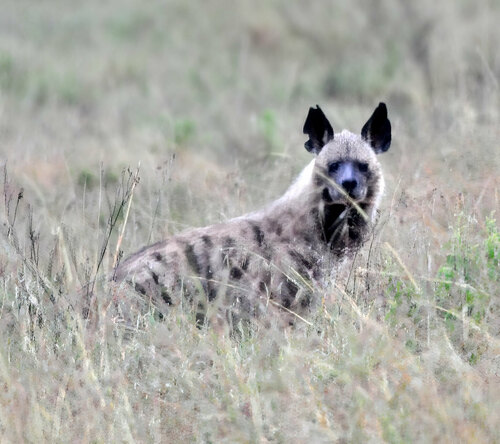
Hyaena dubbah
Hyaena dubbah
📅 Monthly Probability
☀️ When They're Spotted
Most active during daytime hours (6am–6pm) · across all parks (global)
Global Distribution
Where this species is recorded worldwide. Restricted to human observations from 2019 onwards — the same kind of record and the same period the probabilities on this page are built from, so collar-tracking studies, camera-trap arrays and museum specimens are excluded. Around Santa Rosa that removes 5,924 GPS fixes from a handful of tagged jaguars.
where this species is recorded (GBIF density — it tracks where observers go, not how likely a sighting is) · parks where it occurs — tap a pin for the sighting probability there
Parks Where Found
Quick answers
What are the chances of seeing a Cheetah in Tsavo East National Park?
About 18% of wildlife watchers report a Cheetah sighting in Tsavo East National Park, based on 28 days of visitor records from GBIF citizen-science data.
When is the best time to see Cheetah in Tsavo East National Park?
June has the highest sighting rate for Cheetah in Tsavo East National Park in our monthly data.