


Common Brushtail
Trichosurus vulpecula
- KingdomAnimalia (Animals)
- PhylumChordata (Cordats)
- ClassMammalia (Mamífers)
- OrderDiprotodontia (Kangaroos, Possums, Wombats, and Allies)
- FamilyPhalangeridae (Cuscuses and Brush-tailed Possums)
- GenusTrichosurus (Brush-tailed Possums)
- SpeciesTrichosurus vulpecula (Common Brushtail)
The common brushtail possum (Trichosurus vulpecula, from the Greek for "furry tailed" and the Latin for "little fox", previously in the genus Phalangista) is a nocturnal, semiarboreal marsupial of the family Phalangeridae, native to Australia and invasive in New Zealand, and the second-largest of the Australasian possums. Like most possums, the common brushtail possum is nocturnal. It is mainly a folivore, but has been known to eat small mammals such as rats. In most Australian habitats, eucalyptus leaves are a significant part of the diet, but rarely the sole item eaten. Its tail is prehensile and naked on its lower underside. The four colour variations are silver-grey, brown, black, and gold. Wikipedia →
20–30% of wildlife watchers report a Common Brushtail sighting in Blue Mountains National Park, based on 117 days of visitor records from GBIF citizen-science data.
Closest Relatives at Blue Mountains National Park

Mountain Brushtail Possum
Trichosurus cunninghami

Eastern Grey Kangaroo
Macropus giganteus

Common Wombat
Vombatus ursinus

Swamp Wallaby
Wallabia bicolor

Common Ringtail Possum
Pseudocheirus peregrinus

Red-necked Wallaby
Notamacropus rufogriseus

Wallaroo
Macropus robustus

Greater Glider
Petauroides volans

Brush-tailed Rock-wallaby
Petrogale penicillata
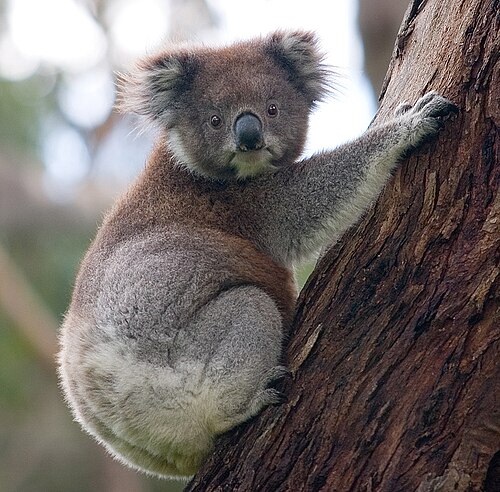
Koala
Phascolarctos cinereus

Sugar Glider
Petaurus breviceps

Eastern Pygmy Possum
Cercartetus nanus
📅 Monthly Probability
🌅 When They're Spotted
Most active at dawn and dusk · across all parks (global)
Global Distribution
Where this species is recorded worldwide. Restricted to human observations from 2019 onwards — the same kind of record and the same period the probabilities on this page are built from, so collar-tracking studies, camera-trap arrays and museum specimens are excluded. Around Santa Rosa that removes 5,924 GPS fixes from a handful of tagged jaguars.
where this species is recorded (GBIF density — it tracks where observers go, not how likely a sighting is) · parks where it occurs — tap a pin for the sighting probability there
Parks Where Found
Quick answers
What are the chances of seeing a Common Brushtail in Blue Mountains National Park?
About 23% of wildlife watchers report a Common Brushtail sighting in Blue Mountains National Park, based on 117 days of visitor records from GBIF citizen-science data.
When is the best time to see Common Brushtail in Blue Mountains National Park?
May has the highest sighting rate for Common Brushtail in Blue Mountains National Park in our monthly data.