


Yellow-legged Gull
Larus michahellis
- KingdomAnimalia (Animals)
- PhylumChordata (Cordats)
- ClassAves (Aus)
- OrderCharadriiformes (Caradriformes)
- FamilyLaridae (Gulls, Terns, and Skimmers)
- GenusLarus (Large White-headed Gulls)
- SpeciesLarus michahellis (Yellow-legged Gull)
The yellow-legged gull or western yellow-legged gull (Larus michahellis) is a large gull found in Europe, the Middle East and North Africa, which has only recently achieved wide recognition as a distinct species. It was formerly treated as a subspecies of either the Caspian gull L. cachinnans, or more broadly as a subspecies of the herring gull L. argentatus. The genus name is from Latin Larus which appears to have referred to a gull or other large seabird, and the species name honours the German zoologist Karl Michahelles. Wikipedia →
<5% of wildlife watchers report a Yellow-legged Gull sighting in Cévennes National Park, based on 14 days of visitor records from GBIF citizen-science data.
Closest Relatives at Cévennes National Park

Lesser Black-backed Gull
Larus fuscus
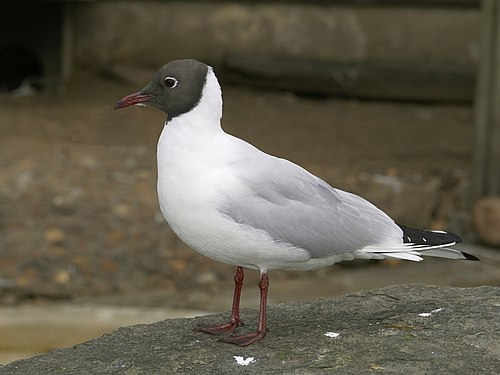
Black-headed Gull
Chroicocephalus ridibundus

Gull-billed Tern
Gelochelidon nilotica

Eurasian Stone-curlew
Burhinus oedicnemus

Black-bellied Plover
Pluvialis squatarola

Common Greenshank
Tringa nebularia

Jack Snipe
Lymnocryptes minimus

Eurasian Dotterel
Charadrius morinellus
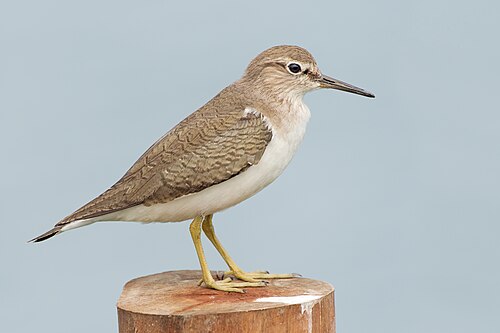
Common Sandpiper
Actitis hypoleucos

Green Sandpiper
Tringa ochropus

Wood Sandpiper
Tringa glareola

Spotted Redshank
Tringa erythropus
📅 Monthly Probability
☀️ When They're Spotted
Most active during daytime hours (6am–6pm) · across all parks (global)
Global Distribution
Where this species is recorded worldwide. Restricted to human observations from 2019 onwards — the same kind of record and the same period the probabilities on this page are built from, so collar-tracking studies, camera-trap arrays and museum specimens are excluded. Around Santa Rosa that removes 5,924 GPS fixes from a handful of tagged jaguars.
where this species is recorded (GBIF density — it tracks where observers go, not how likely a sighting is) · parks where it occurs — tap a pin for the sighting probability there
Parks Where Found
| # | Park | Country | Probability |
|---|---|---|---|
| 1 | Fertő-Hanság National Park | 🇭🇺 Hungary | |
| 2 | Doñana National Park | 🇪🇸 Spain | |
| 3 | Hortobágy National Park | 🇭🇺 Hungary | |
| 4 | Triglav National Park | 🇸🇮 Slovenia | |
| 5 | Bavarian Forest National Park | 🇩🇪 Germany | |
| 6 | Kiskunság National Park | 🇭🇺 Hungary | |
| 7 | Cévennes National Park | 🇫🇷 France | |
| 8 | Pyrénées National Park | 🇫🇷 France | |
| 9 | Sierra de Guadarrama National Park | 🇪🇸 Spain | |
| 10 | Wadden Sea National Park | 🇩🇪 Germany | |
| 11 | Monfragüe National Park | 🇪🇸 Spain | |
| 12 | Mercantour National Park | 🇫🇷 France | |
| 13 | Aigüestortes National Park | 🇪🇸 Spain | |
| 14 | Biebrza National Park | 🇵🇱 Poland | |
| 15 | Picos de Europa National Park | 🇪🇸 Spain | |
| 16 | Snowdonia National Park | 🇬🇧 United Kingdom | |
| 17 | Sierra Nevada National Park | 🇪🇸 Spain |
Quick answers
What are the chances of seeing a Yellow-legged Gull in Cévennes National Park?
About 4% of wildlife watchers report a Yellow-legged Gull sighting in Cévennes National Park, based on 14 days of visitor records from GBIF citizen-science data.
When is the best time to see Yellow-legged Gull in Cévennes National Park?
June has the highest sighting rate for Yellow-legged Gull in Cévennes National Park in our monthly data.