


Bat Hawk
Macheiramphus alcinus
- KingdomAnimalia (Animals)
- PhylumChordata (Cordats)
- ClassAves (Aus)
- OrderAccipitriformes
- FamilyAccipitridae (Accipítrids)
- GenusMacheiramphus
- SpeciesMacheiramphus alcinus (Bat Hawk)
The bat hawk (Macheiramphus alcinus) is a raptor found in sub-Saharan Africa and south Asia to New Guinea. It is named for its diet, which consists mainly of bats. It requires open space in which to hunt, but will live anywhere from dense rainforest to semi-arid veld. Wikipedia →
<5% of wildlife watchers report a Bat Hawk sighting in Lake Mburo National Park, based on 17 days of visitor records from GBIF citizen-science data.
Closest Relatives at Lake Mburo National Park

African Fish-Eagle
Haliaeetus vocifer

Bateleur
Terathopius ecaudatus

White-backed Vulture
Gyps africanus

Wahlberg's Eagle
Hieraaetus wahlbergi

Tawny Eagle
Aquila rapax

Brown Snake Eagle
Circaetus cinereus

European Honey-buzzard
Pernis apivorus
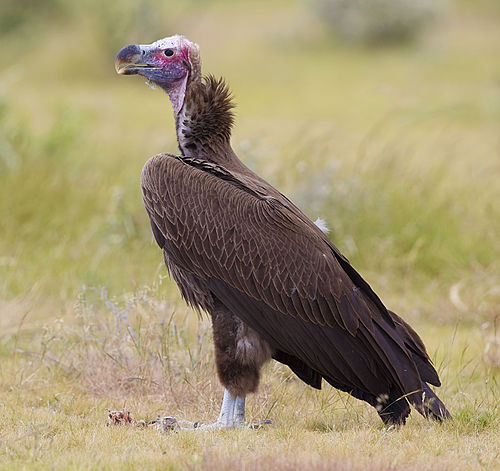
Lappet-faced Vulture
Torgos tracheliotos

Black Kite
Milvus migrans

Long-crested Eagle
Lophaetus occipitalis

Black-breasted Snake Eagle
Circaetus pectoralis

Palmnut Vulture
Gypohierax angolensis
📅 Monthly Probability
☀️ When They're Spotted
Most active during daytime hours (6am–6pm) · across all parks (global)
Global Distribution
Where this species is recorded worldwide. Restricted to human observations from 2019 onwards — the same kind of record and the same period the probabilities on this page are built from, so collar-tracking studies, camera-trap arrays and museum specimens are excluded. Around Santa Rosa that removes 5,924 GPS fixes from a handful of tagged jaguars.
where this species is recorded (GBIF density — it tracks where observers go, not how likely a sighting is) · parks where it occurs — tap a pin for the sighting probability there
Parks Where Found
Quick answers
What are the chances of seeing a Bat Hawk in Lake Mburo National Park?
About 2% of wildlife watchers report a Bat Hawk sighting in Lake Mburo National Park, based on 17 days of visitor records from GBIF citizen-science data.
When is the best time to see Bat Hawk in Lake Mburo National Park?
June has the highest sighting rate for Bat Hawk in Lake Mburo National Park in our monthly data.