


Egyptian Vulture
Neophron percnopterus
- KingdomAnimalia (Animals)
- PhylumChordata (Cordats)
- ClassAves (Aus)
- OrderAccipitriformes
- FamilyAccipitridae (Accipítrids)
- GenusNeophron (Egyptian Vultures)
- SpeciesNeophron percnopterus (Egyptian Vulture)
The Egyptian vulture (Neophron percnopterus), also called the white scavenger vulture or pharaoh's chicken, is a small Old World vulture in the monotypic genus Neophron. It is widely distributed from the Iberian Peninsula, North Africa, West Asia and India. The contrasting underwing pattern and wedge-shaped tail make it distinctive in flight as it soars in thermals during the warmer parts of the day. Egyptian vultures feed mainly on carrion but are opportunistic and will prey on small mammals, birds, and reptiles. They also feed on the eggs of other birds, breaking larger ones by tossing a large pebble onto them. The use of tools is rare in birds and apart from the use of a pebble as a hammer, Egyptian vultures also use twigs to roll up wool for use in their nest. Wikipedia →
<5% of wildlife watchers report a Egyptian Vulture sighting in Ngorongoro Conservation Area, based on 18 days of visitor records from GBIF citizen-science data.
Closest Relatives at Ngorongoro Conservation Area

Augur Buzzard
Buteo augur

White-backed Vulture
Gyps africanus

Tawny Eagle
Aquila rapax
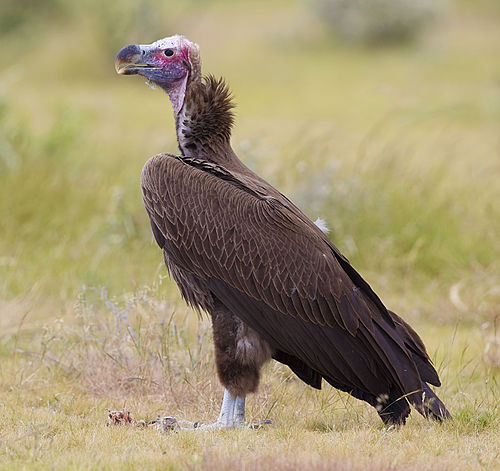
Lappet-faced Vulture
Torgos tracheliotos

Black Kite
Milvus migrans

Bateleur
Terathopius ecaudatus

Black-winged Kite
Elanus caeruleus

Ruppell's griffon
Gyps rueppellii

Black-breasted Snake Eagle
Circaetus pectoralis

Long-crested Eagle
Lophaetus occipitalis

Martial Eagle
Polemaetus bellicosus

African Harrier-Hawk
Polyboroides typus
📅 Monthly Probability
☀️ When They're Spotted
Most active during daytime hours (6am–6pm) · across all parks (global)
Global Distribution
Where this species is recorded worldwide. Restricted to human observations from 2019 onwards — the same kind of record and the same period the probabilities on this page are built from, so collar-tracking studies, camera-trap arrays and museum specimens are excluded. Around Santa Rosa that removes 5,924 GPS fixes from a handful of tagged jaguars.
where this species is recorded (GBIF density — it tracks where observers go, not how likely a sighting is) · parks where it occurs — tap a pin for the sighting probability there
Parks Where Found
Quick answers
What are the chances of seeing a Egyptian Vulture in Ngorongoro Conservation Area?
About 1% of wildlife watchers report a Egyptian Vulture sighting in Ngorongoro Conservation Area, based on 18 days of visitor records from GBIF citizen-science data.
When is the best time to see Egyptian Vulture in Ngorongoro Conservation Area?
February has the highest sighting rate for Egyptian Vulture in Ngorongoro Conservation Area in our monthly data.