


Carolina Wren
Thryothorus ludovicianus
- KingdomAnimalia (Animals)
- PhylumChordata (Cordats)
- ClassAves (Aus)
- OrderPasseriformes
- FamilyTroglodytidae (Wrens)
- GenusThryothorus
- SpeciesThryothorus ludovicianus (Carolina Wren)
The Carolina wren (Thryothorus ludovicianus) is a species of wren common in the eastern United States, the extreme south of Ontario, Canada, the northeast and southeast of Mexico, and into northern Central America. Severe winters restrict the northern limits of their range, while favorable weather conditions lead to a northward extension of their breeding range. Their preferred habitat is in dense cover in forest, farm edges, and suburban areas. This wren is the state bird of South Carolina. Ten subspecies are recognized, occurring across the range of the species; they differ slightly in song and appearance. It is generally inconspicuous, avoiding the open for extended periods of time. Wikipedia →
70–80% of wildlife watchers report a Carolina Wren sighting in Point Pelee National Park, based on 9,716 days of visitor records from GBIF citizen-science data.
Closest Relatives at Point Pelee National Park

House Wren
Troglodytes aedon

Marsh Wren
Cistothorus palustris

Winter Wren
Troglodytes hiemalis

Rock Wren
Salpinctes obsoletus

Grass Wren
Cistothorus platensis

Red-winged Blackbird
Agelaius phoeniceus

American Robin
Turdus migratorius

Northern Cardinal
Cardinalis cardinalis
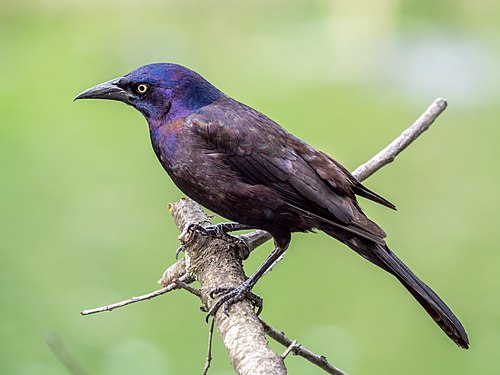
Common Grackle
Quiscalus quiscula

Blue Jay
Cyanocitta cristata

Tree Swallow
Tachycineta bicolor

Yellow Warbler
Setophaga petechia
📅 Monthly Probability
☀️ When They're Spotted
Most active during daytime hours (6am–6pm) · across all parks (global)
Global Distribution
Where this species is recorded worldwide. Restricted to human observations from 2019 onwards — the same kind of record and the same period the probabilities on this page are built from, so collar-tracking studies, camera-trap arrays and museum specimens are excluded. Around Santa Rosa that removes 5,924 GPS fixes from a handful of tagged jaguars.
where this species is recorded (GBIF density — it tracks where observers go, not how likely a sighting is) · parks where it occurs — tap a pin for the sighting probability there
Parks Where Found
| # | Park | Country | Probability |
|---|---|---|---|
| 1 | Congaree National Park | 🇺🇸 United States | |
| 2 | Shenandoah National Park | 🇺🇸 United States | |
| 3 | Great Smoky Mountains National Park | 🇺🇸 United States | |
| 4 | Point Pelee National Park | 🇨🇦 Canada | |
| 5 | Cumbres de Monterrey National Park | 🇲🇽 Mexico | |
| 6 | Big Cypress National Preserve | 🇺🇸 United States | |
| 7 | Calakmul Biosphere Reserve | 🇲🇽 Mexico | |
| 8 | Everglades National Park | 🇺🇸 United States | |
| 9 | Biotopo Cerro Cahuí | 🇬🇹 Guatemala | |
| 10 | Sian Ka'an Biosphere Reserve | 🇲🇽 Mexico | |
| 11 | Montes Azules Biosphere Reserve | 🇲🇽 Mexico | |
| 12 | Acadia National Park | 🇺🇸 United States | |
| 13 | Big Bend National Park | 🇺🇸 United States | |
| 14 | Ría Lagartos Biosphere Reserve | 🇲🇽 Mexico | |
| 15 | Celestún Biosphere Reserve | 🇲🇽 Mexico |
Quick answers
What are the chances of seeing a Carolina Wren in Point Pelee National Park?
About 73% of wildlife watchers report a Carolina Wren sighting in Point Pelee National Park, based on 9,716 days of visitor records from GBIF citizen-science data.
When is the best time to see Carolina Wren in Point Pelee National Park?
April has the highest sighting rate for Carolina Wren in Point Pelee National Park in our monthly data.