


Bank Vole
Myodes glareolus
- KingdomAnimalia (Animals)
- PhylumChordata (Cordats)
- ClassMammalia (Mamífers)
- OrderRodentia (Rosegadors)
- FamilyCricetidae (Hamsters, Voles, Lemmings, and Allies)
- GenusMyodes
- SpeciesMyodes glareolus (Bank Vole)
The bank vole (Clethrionomys glareolus) is a small vole with red-brown fur and some grey patches, with a tail about half as long as its body. A rodent, it lives in woodland areas and is around 100 millimetres (3.9 in) in length. The bank vole is found in much of Europe and in northwestern Asia. It is native to Great Britain but not to Ireland, where it has been accidentally introduced, and has now colonised much of the south and southwest. The bank vole lives in woodland, hedgerows and other dense vegetation, such as bracken and bramble. Its underground chamber is lined with moss, feathers and vegetable fibre and contains a store of food. Wikipedia →
<5% of wildlife watchers report a Bank Vole sighting in Pyrénées National Park, based on 8 days of visitor records from GBIF citizen-science data.
Closest Relatives at Pyrénées National Park

European Snow Vole
Chionomys nivalis

Southwestern Water Vole
Arvicola sapidus

Gerbe's Vole
Microtus gerbei

European Water Vole
Arvicola amphibius

Field Vole
Microtus agrestis

Common Vole
Microtus arvalis

Alpine Marmot
Marmota marmota
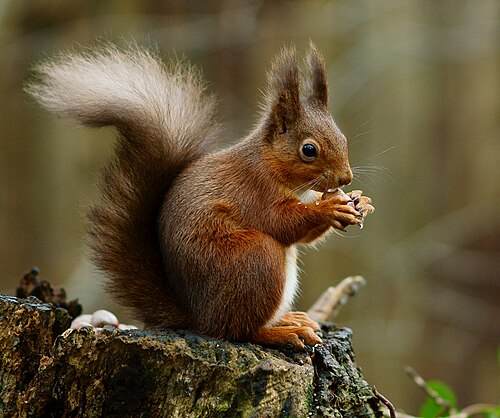
Eurasian Red Squirrel
Sciurus vulgaris
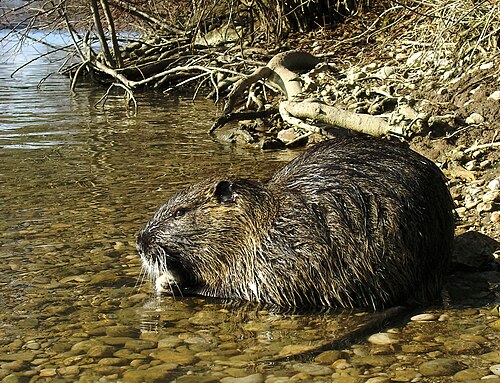
Coypu
Myocastor coypus

Edible Dormouse
Glis glis

European Wood Mouse
Apodemus sylvaticus

Garden Dormouse
Eliomys quercinus
📅 Monthly Probability
☀️ When They're Spotted
Most active during daytime hours (6am–6pm) · across all parks (global)
Global Distribution
Where this species is recorded worldwide. Restricted to human observations from 2019 onwards — the same kind of record and the same period the probabilities on this page are built from, so collar-tracking studies, camera-trap arrays and museum specimens are excluded. Around Santa Rosa that removes 5,924 GPS fixes from a handful of tagged jaguars.
where this species is recorded (GBIF density — it tracks where observers go, not how likely a sighting is) · parks where it occurs — tap a pin for the sighting probability there
Parks Where Found
| # | Park | Country | Probability |
|---|---|---|---|
| 1 | Białowieża National Park | 🇵🇱 Poland | |
| 2 | Cairngorms National Park | 🇬🇧 United Kingdom | |
| 3 | Snowdonia National Park | 🇬🇧 United Kingdom | |
| 4 | Bavarian Forest National Park | 🇩🇪 Germany | |
| 5 | Wadden Sea National Park | 🇩🇪 Germany | |
| 6 | Pyrénées National Park | 🇫🇷 France | |
| 7 | Gauja National Park | 🇱🇻 Latvia | |
| 8 | Biebrza National Park | 🇵🇱 Poland | |
| 9 | Triglav National Park | 🇸🇮 Slovenia | |
| 10 | Aigüestortes National Park | 🇪🇸 Spain | |
| 11 | Tatra National Park | 🇸🇰 Slovakia | |
| 12 | Fertő-Hanság National Park | 🇭🇺 Hungary | |
| 13 | Cévennes National Park | 🇫🇷 France |
Quick answers
What are the chances of seeing a Bank Vole in Pyrénées National Park?
About 3% of wildlife watchers report a Bank Vole sighting in Pyrénées National Park, based on 8 days of visitor records from GBIF citizen-science data.
When is the best time to see Bank Vole in Pyrénées National Park?
February has the highest sighting rate for Bank Vole in Pyrénées National Park in our monthly data.