


Eurasian Beaver
Castor fiber
- KingdomAnimalia (Animals)
- PhylumChordata (Cordats)
- ClassMammalia (Mamífers)
- OrderRodentia (Rosegadors)
- FamilyCastoridae (Beavers)
- GenusCastor (Beavers)
- SpeciesCastor fiber (Eurasian Beaver)
The Eurasian beaver (Castor fiber) or European beaver is a species of beaver widespread across Eurasia, with a rapidly increasing population of at least 1.5 million in 2020. The Eurasian beaver was hunted to near-extinction for both its fur and castoreum, with only about 1,200 beavers in eight relict populations from France to Mongolia in the early 20th century. It has since been reintroduced into much of its former range and now lives from Western, Southern, Central and Eastern Europe, Scandinavia, Russia through China and Mongolia, with about half the population in Russia. It is listed as least concern on the IUCN Red List. Wikipedia →
<5% of wildlife watchers report a Eurasian Beaver sighting in Pyrénées National Park, based on 22 days of visitor records from GBIF citizen-science data.
Closest Relatives at Pyrénées National Park

Alpine Marmot
Marmota marmota

Eurasian Red Squirrel
Sciurus vulgaris
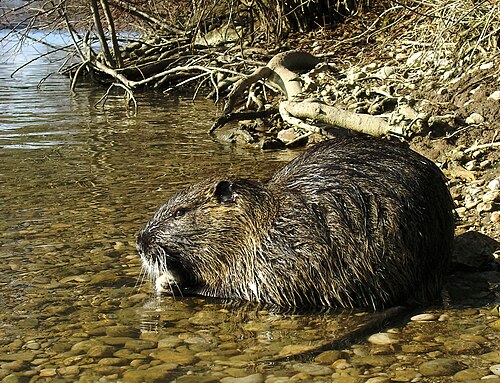
Coypu
Myocastor coypus

Edible Dormouse
Glis glis

European Wood Mouse
Apodemus sylvaticus

Garden Dormouse
Eliomys quercinus

Bank Vole
Myodes glareolus

European Snow Vole
Chionomys nivalis

Southwestern Water Vole
Arvicola sapidus

Gerbe's Vole
Microtus gerbei

Yellow-necked Field Mouse
Apodemus flavicollis

European Water Vole
Arvicola amphibius
📅 Monthly Probability
🌅 When They're Spotted
Most active at dawn and dusk · across all parks (global)
Global Distribution
Where this species is recorded worldwide. Restricted to human observations from 2019 onwards — the same kind of record and the same period the probabilities on this page are built from, so collar-tracking studies, camera-trap arrays and museum specimens are excluded. Around Santa Rosa that removes 5,924 GPS fixes from a handful of tagged jaguars.
where this species is recorded (GBIF density — it tracks where observers go, not how likely a sighting is) · parks where it occurs — tap a pin for the sighting probability there
Parks Where Found
| # | Park | Country | Probability |
|---|---|---|---|
| 1 | Białowieża National Park | 🇵🇱 Poland | |
| 2 | Bavarian Forest National Park | 🇩🇪 Germany | |
| 3 | Tatra National Park | 🇸🇰 Slovakia | |
| 4 | Cévennes National Park | 🇫🇷 France | |
| 5 | Biebrza National Park | 🇵🇱 Poland | |
| 6 | Kiskunság National Park | 🇭🇺 Hungary | |
| 7 | Cairngorms National Park | 🇬🇧 United Kingdom | |
| 8 | Fertő-Hanság National Park | 🇭🇺 Hungary | |
| 9 | Hortobágy National Park | 🇭🇺 Hungary | |
| 10 | Wadden Sea National Park | 🇩🇪 Germany | |
| 11 | Pyrénées National Park | 🇫🇷 France | |
| 12 | Gauja National Park | 🇱🇻 Latvia | |
| 13 | Snowdonia National Park | 🇬🇧 United Kingdom |
Quick answers
What are the chances of seeing a Eurasian Beaver in Pyrénées National Park?
About 4% of wildlife watchers report a Eurasian Beaver sighting in Pyrénées National Park, based on 22 days of visitor records from GBIF citizen-science data.
When is the best time to see Eurasian Beaver in Pyrénées National Park?
January has the highest sighting rate for Eurasian Beaver in Pyrénées National Park in our monthly data.