


American Red Squirrel
Tamiasciurus hudsonicus
- KingdomAnimalia (Animals)
- PhylumChordata (Cordats)
- ClassMammalia (Mamífers)
- OrderRodentia (Rosegadors)
- FamilySciuridae (Squirrels)
- GenusTamiasciurus (Pine Squirrels)
- SpeciesTamiasciurus hudsonicus (American Red Squirrel)
The American red squirrel (Tamiasciurus hudsonicus) is one of three species of tree squirrels currently classified in the genus Tamiasciurus, known as the pine squirrels (the others are the Douglas squirrel, T. douglasii, and the southwestern red squirrel, T. fremonti). The American red squirrel is variously known as the pine squirrel or piney squirrel, North American red squirrel, chickaree, boomer, or simply red squirrel. The squirrel is a small, 200–250 g (7.1–8.8 oz), diurnal mammal that defends a year-round exclusive territory. It feeds primarily on the seeds of conifer cones, and is widely distributed across much of the United States and Canada wherever conifers are common, except in the southwestern United States, where it is replaced by the formerly conspecific southwestern red squirrel, and along the Pacific coast of the United States, where its cousin the Douglas squirrel is found instead. The squirrel has been expanding its range into hardwood forests. Wikipedia →
40–50% of wildlife watchers report a American Red Squirrel sighting in Yellowstone National Park, based on 359 days of visitor records from GBIF citizen-science data.
Closest Relatives at Yellowstone National Park

Uinta Ground Squirrel
Urocitellus armatus

Yellow-bellied Marmot
Marmota flaviventris
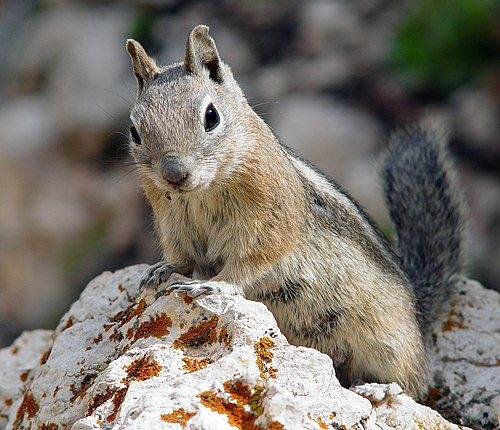
Golden-mantled Ground Squirrel
Callospermophilus lateralis

Least Chipmunk
Tamias minimus

Yellow-pine Chipmunk
Tamias amoenus

Uinta Chipmunk
Tamias umbrinus

Northern Flying Squirrel
Glaucomys sabrinus

Muskrat
Ondatra zibethicus

American Beaver
Castor canadensis
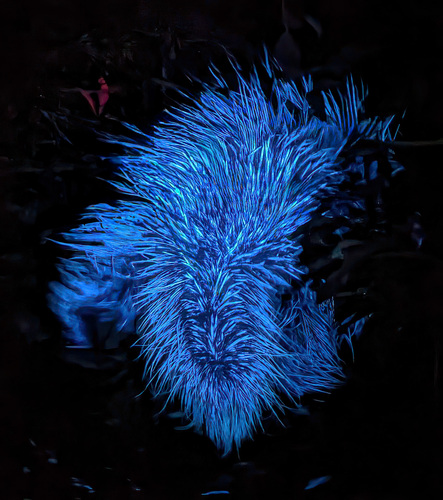
Quiller
Erethizon dorsatus

Northern Pocket Gopher
Thomomys talpoides

Deer Mouse
Peromyscus maniculatus
📅 Monthly Probability
☀️ When They're Spotted
Most active during daytime hours (6am–6pm) · across all parks (global)
Global Distribution
Where this species is recorded worldwide. Restricted to human observations from 2019 onwards — the same kind of record and the same period the probabilities on this page are built from, so collar-tracking studies, camera-trap arrays and museum specimens are excluded. Around Santa Rosa that removes 5,924 GPS fixes from a handful of tagged jaguars.
where this species is recorded (GBIF density — it tracks where observers go, not how likely a sighting is) · parks where it occurs — tap a pin for the sighting probability there
Parks Where Found
Quick answers
What are the chances of seeing a American Red Squirrel in Yellowstone National Park?
About 42% of wildlife watchers report a American Red Squirrel sighting in Yellowstone National Park, based on 359 days of visitor records from GBIF citizen-science data.
When is the best time to see American Red Squirrel in Yellowstone National Park?
September has the highest sighting rate for American Red Squirrel in Yellowstone National Park in our monthly data.