


Water Thick-knee
Burhinus vermiculatus
- KingdomAnimalia (Animals)
- PhylumChordata (Cordats)
- ClassAves (Aus)
- OrderCharadriiformes (Caradriformes)
- FamilyBurhinidae (Stone-curlews and Thick-knees)
- GenusBurhinus (Typical Stone-curlews)
- SpeciesBurhinus vermiculatus (Water Thick-knee)
The water thick-knee or water dikkop (Burhinus vermiculatus) is a species of bird in the thick-knee family Burhinidae. The species is found across sub-Saharan Africa, usually close to water. Wikipedia →
<5% of wildlife watchers report a Water Thick-knee sighting in Pilanesberg National Park, based on 11 days of visitor records from GBIF citizen-science data.
Closest Relatives at Pilanesberg National Park

Spotted Thick-knee
Burhinus capensis

Blacksmith Lapwing
Vanellus armatus

African Wattled Lapwing
Vanellus senegallus

Crowned Lapwing
Vanellus coronatus

African Jacana
Actophilornis africanus

Black-winged Stilt
Himantopus himantopus

White-winged Tern
Chlidonias leucopterus

African Snipe
Gallinago nigripennis
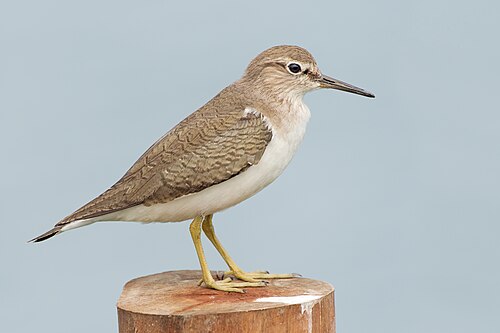
Common Sandpiper
Actitis hypoleucos

Caspian Tern
Hydroprogne caspia

Pied Avocet
Recurvirostra avosetta

Grey-hooded Gull
Chroicocephalus cirrocephalus
📅 Monthly Probability
☀️ When They're Spotted
Most active during daytime hours (6am–6pm) · across all parks (global)
Global Distribution
Where this species is recorded worldwide. Restricted to human observations from 2019 onwards — the same kind of record and the same period the probabilities on this page are built from, so collar-tracking studies, camera-trap arrays and museum specimens are excluded. Around Santa Rosa that removes 5,924 GPS fixes from a handful of tagged jaguars.
where this species is recorded (GBIF density — it tracks where observers go, not how likely a sighting is) · parks where it occurs — tap a pin for the sighting probability there
Parks Where Found
Quick answers
What are the chances of seeing a Water Thick-knee in Pilanesberg National Park?
About 4% of wildlife watchers report a Water Thick-knee sighting in Pilanesberg National Park, based on 11 days of visitor records from GBIF citizen-science data.
When is the best time to see Water Thick-knee in Pilanesberg National Park?
December has the highest sighting rate for Water Thick-knee in Pilanesberg National Park in our monthly data.