


Eurasian Siskin
Spinus spinus
- KingdomAnimalia (Animals)
- PhylumChordata (Cordats)
- ClassAves (Aus)
- OrderPasseriformes
- FamilyFringillidae (Fringíl·lids)
- GenusSpinus (Siskins and New World Goldfinches)
- SpeciesSpinus spinus (Eurasian Siskin)
The Eurasian siskin (Spinus spinus) is a small passerine bird in the finch family Fringillidae. It is also called the European siskin, common siskin or just siskin. Other (archaic) names include black-headed goldfinch, barley bird and aberdevine. It is very common throughout Europe and Eurosiberia. It is found in forested areas, both coniferous and mixed woodland where it feeds on seeds of all kinds, especially of alder and conifers. It can be distinguished from similar finches by its plumage colour. Wikipedia →
20–30% of wildlife watchers report a Eurasian Siskin sighting in Snowdonia National Park, based on 354 days of visitor records from GBIF citizen-science data.
Closest Relatives at Snowdonia National Park

Chaffinch
Fringilla coelebs

Eurasian Goldfinch
Carduelis carduelis

European Greenfinch
Chloris chloris

Linnet
Linaria cannabina
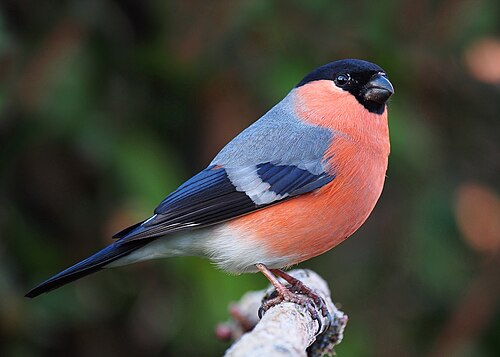
Eurasian Bullfinch
Pyrrhula pyrrhula

Twite
Linaria flavirostris

Common Redpoll
Acanthis flammea

Red Crossbill
Loxia curvirostra

Brambling
Fringilla montifringilla

Hawfinch
Coccothraustes coccothraustes

European Robin
Erithacus rubecula

Carrion Crow
Corvus corone
📅 Monthly Probability
🌅 When They're Spotted
Most active at dawn and dusk · across all parks (global)
Global Distribution
Where this species is recorded worldwide. Restricted to human observations from 2019 onwards — the same kind of record and the same period the probabilities on this page are built from, so collar-tracking studies, camera-trap arrays and museum specimens are excluded. Around Santa Rosa that removes 5,924 GPS fixes from a handful of tagged jaguars.
where this species is recorded (GBIF density — it tracks where observers go, not how likely a sighting is) · parks where it occurs — tap a pin for the sighting probability there
Parks Where Found
Quick answers
What are the chances of seeing a Eurasian Siskin in Snowdonia National Park?
About 21% of wildlife watchers report a Eurasian Siskin sighting in Snowdonia National Park, based on 354 days of visitor records from GBIF citizen-science data.
When is the best time to see Eurasian Siskin in Snowdonia National Park?
May has the highest sighting rate for Eurasian Siskin in Snowdonia National Park in our monthly data.