


Impala
Aepyceros melampus
- KingdomAnimalia (Animals)
- PhylumChordata (Cordats)
- ClassMammalia (Mamífers)
- OrderArtiodactyla (Artiodàctils)
- FamilyBovidae (Bòvids)
- GenusAepyceros (Deer-like Antelopes)
- SpeciesAepyceros melampus (Impala)
The impala or rooibok (Aepyceros melampus, lit. 'black-footed high-horn' in Ancient Greek) is a medium-sized antelope found in eastern and southern Africa. The only extant member of the genus Aepyceros, and tribe Aepycerotini, it was first described to Europeans by German zoologist Hinrich Lichtenstein in 1812. Two subspecies are recognised—the grassland-dwelling common impala (sometimes referred to as the Kenyan impala), and the larger and darker black-faced impala, which lives in slightly more arid, scrubland environments. The impala reaches 70–92 cm (28–36 in) at the shoulder and weighs 40–65 kg (88–143 lb). It features a glossy, reddish brown coat. Wikipedia →
50–60% of wildlife watchers report a Impala sighting in Lake Manyara National Park, based on 48 days of visitor records from GBIF citizen-science data.
Closest Relatives at Lake Manyara National Park

Northern Bushbuck
Tragelaphus scriptus

Waterbuck
Kobus ellipsiprymnus

African Buffalo
Syncerus caffer

Klipspringer
Oreotragus oreotragus
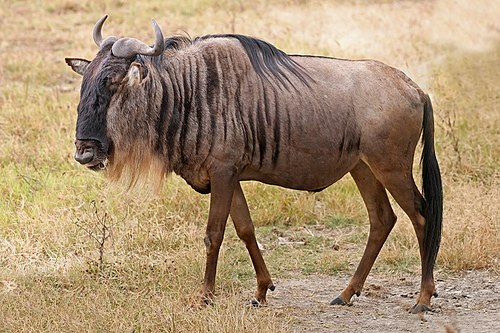
Blue Wildebeest
Connochaetes taurinus

Grant's Gazelle
Nanger granti

Lesser Kudu
Tragelaphus imberbis

East African Giraffe
Giraffa tippelskirchi

Common Hippopotamus
Hippopotamus amphibius

Common Warthog
Phacochoerus africanus
📅 Monthly Probability
☀️ When They're Spotted
Most active during daytime hours (6am–6pm) · across all parks (global)
Global Distribution
Where this species is recorded worldwide. Restricted to human observations from 2019 onwards — the same kind of record and the same period the probabilities on this page are built from, so collar-tracking studies, camera-trap arrays and museum specimens are excluded. Around Santa Rosa that removes 5,924 GPS fixes from a handful of tagged jaguars.
where this species is recorded (GBIF density — it tracks where observers go, not how likely a sighting is) · parks where it occurs — tap a pin for the sighting probability there
Parks Where Found
Quick answers
What are the chances of seeing a Impala in Lake Manyara National Park?
About 59% of wildlife watchers report a Impala sighting in Lake Manyara National Park, based on 48 days of visitor records from GBIF citizen-science data.
When is the best time to see Impala in Lake Manyara National Park?
March has the highest sighting rate for Impala in Lake Manyara National Park in our monthly data.