


Bohemian Waxwing
Bombycilla garrulus
- KingdomAnimalia (Animals)
- PhylumChordata (Cordats)
- ClassAves (Aus)
- OrderPasseriformes
- FamilyBombycillidae (Waxwings)
- GenusBombycilla (Waxwings)
- SpeciesBombycilla garrulus (Bohemian Waxwing)
The Bohemian waxwing (Bombycilla garrulus) is a starling-sized passerine bird that breeds in the northern forests of the Palearctic and North America. It has mainly buff-grey plumage, black face markings and a pointed crest. Its wings are patterned with white and bright yellow, and some of the wing feathers have red tips, the resemblance of which to sealing wax gives these birds their common name. The two or three subspecies show only minor differences in appearance. Females are similar to males, although young birds are less well-marked and have few or no waxy wingtips. Although the Bohemian waxwing's range overlaps those of the cedar and Japanese waxwings, it is easily distinguished from them by size and plumage differences. Wikipedia →
Closest Relatives at Tatra National Park

Chaffinch
Fringilla coelebs

Common Chiffchaff
Phylloscopus collybita

European Robin
Erithacus rubecula

Great Tit
Parus major

Eurasian Blackbird
Turdus merula

Coal Tit
Periparus ater

Black Redstart
Phoenicurus ochruros

Blackcap
Sylvia atricapilla

Eurasian Wren
Troglodytes troglodytes

Grey Wagtail
Motacilla cinerea

Fieldfare
Turdus pilaris
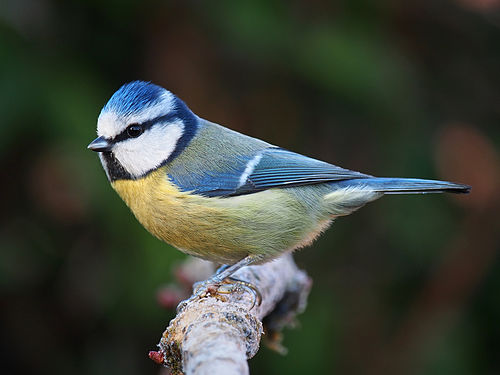
Blue Tit
Cyanistes caeruleus
📅 Monthly Probability
Fewer than 5 records of Bohemian Waxwing at Tatra National Park — not enough to chart months honestly.
☀️ When They're Spotted
Most active during daytime hours (6am–6pm) · across all parks (global)
Global Distribution
Where this species is recorded worldwide. Restricted to human observations from 2019 onwards — the same kind of record and the same period the probabilities on this page are built from, so collar-tracking studies, camera-trap arrays and museum specimens are excluded. Around Santa Rosa that removes 5,924 GPS fixes from a handful of tagged jaguars.
where this species is recorded (GBIF density — it tracks where observers go, not how likely a sighting is) · parks where it occurs — tap a pin for the sighting probability there