


Black-throated Blue Warbler
Setophaga caerulescens
- KingdomAnimalia (Animals)
- PhylumChordata (Cordats)
- ClassAves (Aus)
- OrderPasseriformes
- FamilyParulidae (Parúlids)
- GenusSetophaga (Setophaga Warblers)
- SpeciesSetophaga caerulescens (Black-throated Blue Warbler)
The black-throated blue warbler (Setophaga caerulescens) is a small passerine bird of the New World warbler family. Its breeding ranges are located in the interior of deciduous and mixed coniferous forests in eastern North America. Over the cooler months, it migrates to islands in the Caribbean and Central America. It is very rarely found in western Europe, where it is considered to be a non-indigenous species. The black-throated blue warbler is sexually dimorphic; the adult male has a black face and cheeks, deep blue upperparts and white underparts, while the adult female is olive-brown above and light yellow below. Predominantly insectivorous, the black-throated blue warbler supplements its diet with berries and seeds in winter. Wikipedia →
Closest Relatives at Cabo Blanco Absolute Nature Reserve

Yellow Warbler
Setophaga petechia

Chestnut-sided Warbler
Setophaga pensylvanica

American Redstart
Setophaga ruticilla

Bay-breasted Warbler
Setophaga castanea

Yellow-rumped Warbler
Setophaga coronata

Tennessee Warbler
Leiothlypis peregrina

Rufous-capped Warbler
Basileuterus rufifrons

Northern Waterthrush
Parkesia noveboracensis

Wilson's Warbler
Cardellina pusilla

Black-and-white Warbler
Mniotilta varia
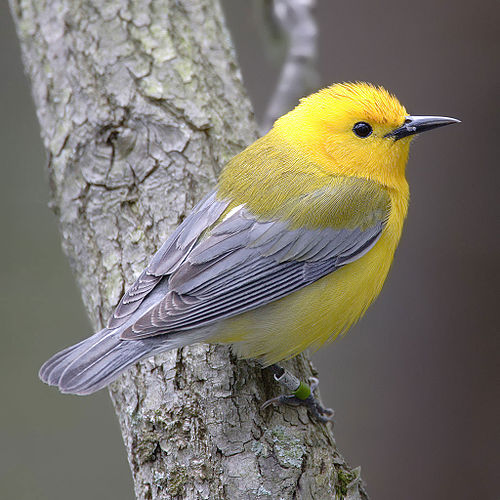
Prothonotary Warbler
Protonotaria citrea

Gray-crowned Yellowthroat
Geothlypis poliocephala
📅 Monthly Probability
Fewer than 5 records of Black-throated Blue Warbler at Cabo Blanco Absolute Nature Reserve — not enough to chart months honestly.
☀️ When They're Spotted
Most active during daytime hours (6am–6pm) · across all parks (global)
Global Distribution
Where this species is recorded worldwide. Restricted to human observations from 2019 onwards — the same kind of record and the same period the probabilities on this page are built from, so collar-tracking studies, camera-trap arrays and museum specimens are excluded. Around Santa Rosa that removes 5,924 GPS fixes from a handful of tagged jaguars.
where this species is recorded (GBIF density — it tracks where observers go, not how likely a sighting is) · parks where it occurs — tap a pin for the sighting probability there