


Bottlenose Dolphin
Tursiops truncatus
- KingdomAnimalia (Animals)
- PhylumChordata (Cordats)
- ClassMammalia (Mamífers)
- OrderCetacea
- FamilyDelphinidae (Delfínids)
- GenusTursiops (Bottlenose Dolphins)
- SpeciesTursiops truncatus (Bottlenose Dolphin)
The common bottlenose dolphin or Atlantic bottlenose dolphin (Tursiops truncatus) is one of three species of bottlenose dolphin in the genus Tursiops. While formerly known simply as the bottlenose dolphin, this term is now applied to the genus Tursiops as a whole. As considerable genetic variation has been described within this species, even between neighboring populations, many experts think additional species may be recognized and split out. The common bottlenose dolphin is a very familiar dolphin due to the wide exposure it receives in captivity in marine parks and dolphinariums, and in movies and television programs. Common bottlenose dolphins inhabit temperate and tropical oceans throughout the world, absent only from polar waters. Wikipedia →
20–30% of wildlife watchers report a Bottlenose Dolphin sighting in El Vizcaíno Biosphere Reserve, based on 23 days of visitor records from GBIF citizen-science data.
Closest Relatives at El Vizcaíno Biosphere Reserve

Common Dolphin
Delphinus delphis

False Killer Whale
Pseudorca crassidens

Killer Whale
Orcinus orca

Short-finned Pilot Whale
Globicephala macrorhynchus

Gray Whale
Eschrichtius robustus

Pygmy Sperm Whale
Kogia breviceps
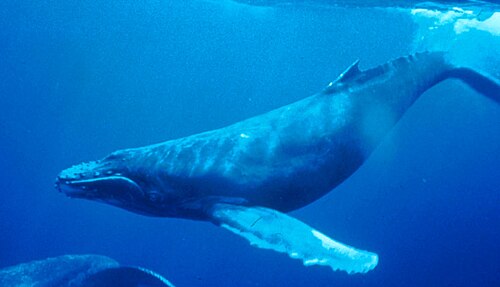
Humpback Whale
Megaptera novaeangliae

Cuvier's Beaked Whale
Ziphius cavirostris

Eden's Whale
Balaenoptera edeni

Dwarf Sperm Whale
Kogia sima

Blue Whale
Balaenoptera musculus
📅 Monthly Probability
☀️ When They're Spotted
Most active during daytime hours (6am–6pm) · across all parks (global)
Global Distribution
Where this species is recorded worldwide. Restricted to human observations from 2019 onwards — the same kind of record and the same period the probabilities on this page are built from, so collar-tracking studies, camera-trap arrays and museum specimens are excluded. Around Santa Rosa that removes 5,924 GPS fixes from a handful of tagged jaguars.
where this species is recorded (GBIF density — it tracks where observers go, not how likely a sighting is) · parks where it occurs — tap a pin for the sighting probability there
Parks Where Found
Quick answers
What are the chances of seeing a Bottlenose Dolphin in El Vizcaíno Biosphere Reserve?
About 25% of wildlife watchers report a Bottlenose Dolphin sighting in El Vizcaíno Biosphere Reserve, based on 23 days of visitor records from GBIF citizen-science data.
When is the best time to see Bottlenose Dolphin in El Vizcaíno Biosphere Reserve?
March has the highest sighting rate for Bottlenose Dolphin in El Vizcaíno Biosphere Reserve in our monthly data.