


Pied Avocet
Recurvirostra avosetta
- KingdomAnimalia (Animals)
- PhylumChordata (Cordats)
- ClassAves (Aus)
- OrderCharadriiformes (Caradriformes)
- FamilyRecurvirostridae (Stilts and Avocets)
- GenusRecurvirostra (Avocets)
- SpeciesRecurvirostra avosetta (Pied Avocet)
The pied avocet (Recurvirostra avosetta) is a species of wader in the Recurvirostridae family, the only member of the avocet genus Recurvirostra found in Europe, Africa, and Asia. This characteristic wader of coastal lagoons and marshes is easily recognisable by its long, upturned bill, long legs, and striking black-and-white plumage. Measuring approximately 40 cm (16 in) in length with a wingspan of about 70 cm (28 in), it is a relatively large species that feeds on various invertebrates in water and mudflats, captured using its distinctive bill. It typically nests in colonies of 10 to 70 pairs on islets or dikes near water, laying usually four eggs in a simple, shallow scrape in the sand. It is highly territorial when defending its chicks against conspecifics, or predators such as various raptors, corvids, and mammals. The pied avocet has a lifespan of about 20 years, with a record of 36 years. Wikipedia →
<5% of wildlife watchers report a Pied Avocet sighting in Virunga National Park, based on 45 days of visitor records from GBIF citizen-science data.
Closest Relatives at Virunga National Park

Black-winged Stilt
Himantopus himantopus

African Jacana
Actophilornis africanus

Spur-winged Lapwing
Vanellus spinosus

African Wattled Lapwing
Vanellus senegallus
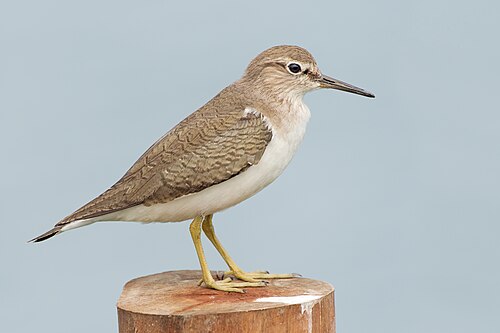
Common Sandpiper
Actitis hypoleucos

Water Thick-knee
Burhinus vermiculatus

Wood Sandpiper
Tringa glareola

Senegal Lapwing
Vanellus lugubris

Grey-hooded Gull
Chroicocephalus cirrocephalus

Common Greenshank
Tringa nebularia

Long-toed Lapwing
Vanellus crassirostris

African Skimmer
Rynchops flavirostris
📅 Monthly Probability
☀️ When They're Spotted
Most active during daytime hours (6am–6pm) · across all parks (global)
Global Distribution
Where this species is recorded worldwide. Restricted to human observations from 2019 onwards — the same kind of record and the same period the probabilities on this page are built from, so collar-tracking studies, camera-trap arrays and museum specimens are excluded. Around Santa Rosa that removes 5,924 GPS fixes from a handful of tagged jaguars.
where this species is recorded (GBIF density — it tracks where observers go, not how likely a sighting is) · parks where it occurs — tap a pin for the sighting probability there
Parks Where Found
Quick answers
What are the chances of seeing a Pied Avocet in Virunga National Park?
About 1% of wildlife watchers report a Pied Avocet sighting in Virunga National Park, based on 45 days of visitor records from GBIF citizen-science data.
When is the best time to see Pied Avocet in Virunga National Park?
September has the highest sighting rate for Pied Avocet in Virunga National Park in our monthly data.