


Western Marsh-Harrier
Circus aeruginosus
- KingdomAnimalia (Animals)
- PhylumChordata (Cordats)
- ClassAves (Aus)
- OrderAccipitriformes
- FamilyAccipitridae (Accipítrids)
- GenusCircus (Harriers)
- SpeciesCircus aeruginosus (Western Marsh-Harrier)
The western marsh harrier (Circus aeruginosus) is a large harrier, a bird of prey from temperate and subtropical western Eurasia and adjacent Africa. It is also known as the Eurasian marsh harrier. Formerly, a number of relatives were included in C. aeruginosus, which was then known as "marsh harrier". The related taxa are now generally considered to be separate species: the eastern marsh harrier (C. spilonotus), the Papuan harrier (C. spilothorax) of eastern Asia and the Wallacea, the swamp harrier (C. approximans) of Australasia and the Madagascar marsh harrier (C. maillardi) of the western Indian Ocean islands. The western marsh harrier is often divided into two subspecies, the widely migratory C. a. aeruginosus which is found across most of its range, and C. a. Wikipedia →
5–10% of wildlife watchers report a Western Marsh-Harrier sighting in Ngorongoro Conservation Area, based on 149 days of visitor records from GBIF citizen-science data.
Closest Relatives at Ngorongoro Conservation Area

Montagu's Harrier
Circus pygargus

Pale Harrier
Circus macrourus

African Marsh-Harrier
Circus ranivorus

Augur Buzzard
Buteo augur

White-backed Vulture
Gyps africanus

Tawny Eagle
Aquila rapax
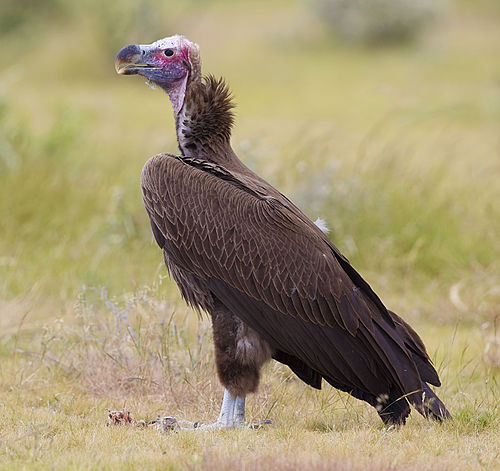
Lappet-faced Vulture
Torgos tracheliotos

Black Kite
Milvus migrans

Bateleur
Terathopius ecaudatus

Black-winged Kite
Elanus caeruleus

Ruppell's griffon
Gyps rueppellii

Black-breasted Snake Eagle
Circaetus pectoralis
📅 Monthly Probability
☀️ When They're Spotted
Most active during daytime hours (6am–6pm) · across all parks (global)
Global Distribution
Where this species is recorded worldwide. Restricted to human observations from 2019 onwards — the same kind of record and the same period the probabilities on this page are built from, so collar-tracking studies, camera-trap arrays and museum specimens are excluded. Around Santa Rosa that removes 5,924 GPS fixes from a handful of tagged jaguars.
where this species is recorded (GBIF density — it tracks where observers go, not how likely a sighting is) · parks where it occurs — tap a pin for the sighting probability there
Parks Where Found
Quick answers
What are the chances of seeing a Western Marsh-Harrier in Ngorongoro Conservation Area?
About 6% of wildlife watchers report a Western Marsh-Harrier sighting in Ngorongoro Conservation Area, based on 149 days of visitor records from GBIF citizen-science data.
When is the best time to see Western Marsh-Harrier in Ngorongoro Conservation Area?
March has the highest sighting rate for Western Marsh-Harrier in Ngorongoro Conservation Area in our monthly data.