


Zitting Cisticola
Cisticola juncidis
- KingdomAnimalia (Animals)
- PhylumChordata (Cordats)
- ClassAves (Aus)
- OrderPasseriformes
- FamilyCisticolidae (Cisticolas and Allies)
- GenusCisticola (Cisticolas)
- SpeciesCisticola juncidis (Zitting Cisticola)
The zitting cisticola, formerly also fan-tailed warbler or streaked fantail warbler (Cisticola juncidis), is a widely distributed Old World warbler in the family Cisticolidae, whose breeding range includes western and southern Europe, Africa outside the deserts and rainforest, and southern Asia down to northern Australia. A small bird found mainly in grasslands, it is best identified by its rufous rump; in addition it lacks any gold on the collar and the brownish tail is tipped with white. During the breeding season males have a zigzagging flight display accompanied by regular "zit" calls that give it its English name. They build their pouch nest suspended within a clump of grass. Wikipedia →
Closest Relatives at Cévennes National Park

Chaffinch
Fringilla coelebs

Great Tit
Parus major

Eurasian Blackbird
Turdus merula

Carrion Crow
Corvus corone

European Robin
Erithacus rubecula

Blackcap
Sylvia atricapilla
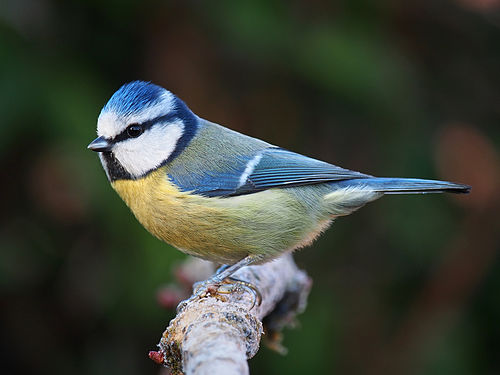
Blue Tit
Cyanistes caeruleus

Black Redstart
Phoenicurus ochruros

Eurasian Jay
Garrulus glandarius

Eurasian Crag Martin
Ptyonoprogne rupestris

European Serin
Serinus serinus

Common Raven
Corvus corax
📅 Monthly Probability
Fewer than 5 records of Zitting Cisticola at Cévennes National Park — not enough to chart months honestly.
☀️ When They're Spotted
Most active during daytime hours (6am–6pm) · across all parks (global)
Global Distribution
Where this species is recorded worldwide. Restricted to human observations from 2019 onwards — the same kind of record and the same period the probabilities on this page are built from, so collar-tracking studies, camera-trap arrays and museum specimens are excluded. Around Santa Rosa that removes 5,924 GPS fixes from a handful of tagged jaguars.
where this species is recorded (GBIF density — it tracks where observers go, not how likely a sighting is) · parks where it occurs — tap a pin for the sighting probability there