


Lesser Black-backed Gull
Larus fuscus
- KingdomAnimalia (Animals)
- PhylumChordata (Cordats)
- ClassAves (Aus)
- OrderCharadriiformes (Caradriformes)
- FamilyLaridae (Gulls, Terns, and Skimmers)
- GenusLarus (Large White-headed Gulls)
- SpeciesLarus fuscus (Lesser Black-backed Gull)
The lesser black-backed gull (Larus fuscus) is a large gull that breeds on the Atlantic and Arctic coasts of Europe. It is migratory, wintering from the British Isles south to West Africa. However, it has increased dramatically in North America, especially along the east coast. Formerly just a winter visitor to North America, it now occurs in large numbers some winters and birds are recorded year-round. However, there is serious concern about decline in many parts of its range. The species is on the UK Amber List because the UK is home to 40 per cent of the European population and more than half of these are found at fewer than ten breeding sites. Wikipedia →
20–30% of wildlife watchers report a Lesser Black-backed Gull sighting in Doñana National Park, based on 736 days of visitor records from GBIF citizen-science data.
Closest Relatives at Doñana National Park

Yellow-legged Gull
Larus michahellis

Great Black-backed Gull
Larus marinus

Common Gull
Larus canus

Caspian Gull
Larus cachinnans
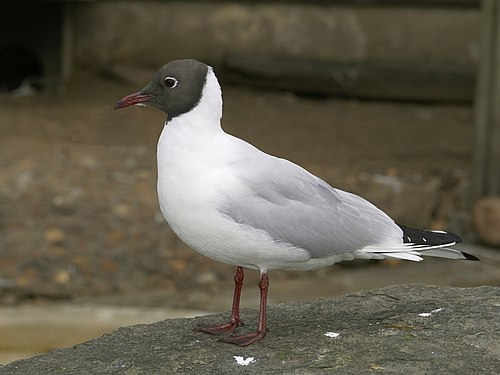
Black-headed Gull
Chroicocephalus ridibundus

Slender-billed Gull
Chroicocephalus genei

Gull-billed Tern
Gelochelidon nilotica

Whiskered Tern
Chlidonias hybrida

Caspian Tern
Hydroprogne caspia

Little Tern
Sternula albifrons

Roseate Tern
Sterna dougallii

Sandwich Tern
Thalasseus sandvicensis
📅 Monthly Probability
☀️ When They're Spotted
Most active during daytime hours (6am–6pm) · across all parks (global)
Global Distribution
Where this species is recorded worldwide. Restricted to human observations from 2019 onwards — the same kind of record and the same period the probabilities on this page are built from, so collar-tracking studies, camera-trap arrays and museum specimens are excluded. Around Santa Rosa that removes 5,924 GPS fixes from a handful of tagged jaguars.
where this species is recorded (GBIF density — it tracks where observers go, not how likely a sighting is) · parks where it occurs — tap a pin for the sighting probability there
Parks Where Found
Quick answers
What are the chances of seeing a Lesser Black-backed Gull in Doñana National Park?
About 24% of wildlife watchers report a Lesser Black-backed Gull sighting in Doñana National Park, based on 736 days of visitor records from GBIF citizen-science data.
When is the best time to see Lesser Black-backed Gull in Doñana National Park?
November has the highest sighting rate for Lesser Black-backed Gull in Doñana National Park in our monthly data.