


Black-winged Kite
Elanus caeruleus
- KingdomAnimalia (Animals)
- PhylumChordata (Cordats)
- ClassAves (Aus)
- OrderAccipitriformes
- FamilyAccipitridae (Accipítrids)
- GenusElanus (Elanus Kites)
- SpeciesElanus caeruleus (Black-winged Kite)
The black-winged kite (Elanus caeruleus), also known as the black-shouldered kite (not to be confused with the closely related Australian species of the same name), is a small diurnal bird of prey in the family Accipitridae best known for its habit of hovering over open grasslands in the manner of the much smaller kestrels. This Palearctic and Afrotropical species was sometimes combined with the Australian black-shouldered kite (Elanus axillaris) and the white-tailed kite (Elanus leucurus) of North and South America which together form a superspecies. This kite is distinctive, with long wings; white, grey and black plumage; and owl-like forward-facing eyes with red irises. The owl-like behaviour is even more pronounced in the letter-winged kite (Elanus scriptus), a nocturnal relative in Australia. Although mainly seen on plains, they are sometimes seen on grassy slopes of hills in the higher elevation regions of Asia. They are not migratory, but show nomadism in response to weather and food availability. Wikipedia →
5–10% of wildlife watchers report a Black-winged Kite sighting in Kgalagadi Transfrontier Park, based on 18 days of visitor records from GBIF citizen-science data.
Closest Relatives at Kgalagadi Transfrontier Park

Pale Chanting Goshawk
Melierax canorus

Tawny Eagle
Aquila rapax

White-backed Vulture
Gyps africanus

Martial Eagle
Polemaetus bellicosus

Gabar Goshawk
Micronisus gabar

Bateleur
Terathopius ecaudatus

Black-breasted Snake Eagle
Circaetus pectoralis
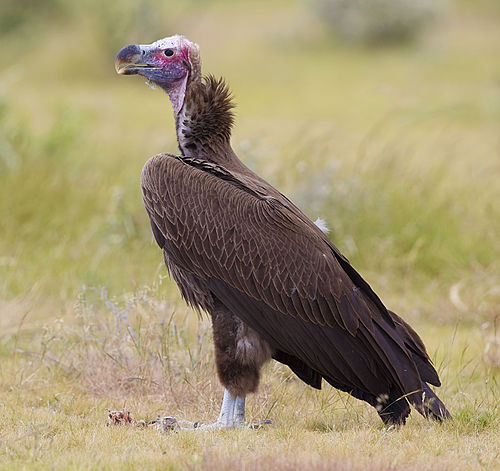
Lappet-faced Vulture
Torgos tracheliotos

Black Kite
Milvus migrans

Brown Snake Eagle
Circaetus cinereus

Pale Harrier
Circus macrourus

Ovampo Sparrowhawk
Accipiter ovampensis
📅 Monthly Probability
☀️ When They're Spotted
Most active during daytime hours (6am–6pm) · across all parks (global)
Global Distribution
Where this species is recorded worldwide. Restricted to human observations from 2019 onwards — the same kind of record and the same period the probabilities on this page are built from, so collar-tracking studies, camera-trap arrays and museum specimens are excluded. Around Santa Rosa that removes 5,924 GPS fixes from a handful of tagged jaguars.
where this species is recorded (GBIF density — it tracks where observers go, not how likely a sighting is) · parks where it occurs — tap a pin for the sighting probability there
Parks Where Found
Quick answers
What are the chances of seeing a Black-winged Kite in Kgalagadi Transfrontier Park?
About 7% of wildlife watchers report a Black-winged Kite sighting in Kgalagadi Transfrontier Park, based on 18 days of visitor records from GBIF citizen-science data.
When is the best time to see Black-winged Kite in Kgalagadi Transfrontier Park?
November has the highest sighting rate for Black-winged Kite in Kgalagadi Transfrontier Park in our monthly data.