


Scarlet Tanager
Piranga olivacea
- KingdomAnimalia (Animals)
- PhylumChordata (Cordats)
- ClassAves (Aus)
- OrderPasseriformes
- FamilyCardinalidae (Cardinàlids)
- GenusPiranga (Piranga Tanagers)
- SpeciesPiranga olivacea (Scarlet Tanager)
The scarlet tanager (Piranga olivacea) is a medium-sized American songbird in the cardinal family (Cardinalidae). Until 2009, it was placed in the tanager family (Thraupidae), but it and other members of its genus have since been classified as belonging to the cardinal family . Breeding males have bright red plumage with black wings and tails, while females are yellow-olive. Outside the breeding season, males develop plumage similar to that of females, although their wings and tails remain darker. The species breeds mainly in large deciduous forests in eastern North America. It migrates through Central America to spend the winter in forests along the Andean foothills of northwestern South America. Wikipedia →
Closest Relatives at Big Cypress National Preserve

Summer Tanager
Piranga rubra

Northern Cardinal
Cardinalis cardinalis

Painted Bunting
Passerina ciris

Indigo Bunting
Passerina cyanea

Blue Grosbeak
Passerina caerulea

Rose-breasted Grosbeak
Pheucticus ludovicianus

Dickcissel
Spiza americana

American Crow
Corvus brachyrhynchos

Blue-gray Gnatcatcher
Polioptila caerulea

Palm Warbler
Setophaga palmarum

Northern Mockingbird
Mimus polyglottos
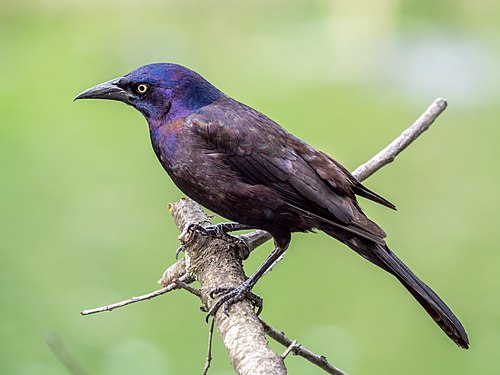
Common Grackle
Quiscalus quiscula
📅 Monthly Probability
Fewer than 5 records of Scarlet Tanager at Big Cypress National Preserve — not enough to chart months honestly.
☀️ When They're Spotted
Most active during daytime hours (6am–6pm) · across all parks (global)
Global Distribution
Where this species is recorded worldwide. Restricted to human observations from 2019 onwards — the same kind of record and the same period the probabilities on this page are built from, so collar-tracking studies, camera-trap arrays and museum specimens are excluded. Around Santa Rosa that removes 5,924 GPS fixes from a handful of tagged jaguars.
where this species is recorded (GBIF density — it tracks where observers go, not how likely a sighting is) · parks where it occurs — tap a pin for the sighting probability there