


Cedar Waxwing
Bombycilla cedrorum
- KingdomAnimalia (Animals)
- PhylumChordata (Cordats)
- ClassAves (Aus)
- OrderPasseriformes
- FamilyBombycillidae (Waxwings)
- GenusBombycilla (Waxwings)
- SpeciesBombycilla cedrorum (Cedar Waxwing)
The cedar waxwing (Bombycilla cedrorum) is a member of the family Bombycillidae or waxwing family of passerine birds. It is a medium-sized bird that is mainly brown, gray, and yellow. Some of the wing feathers have red tips, which resemble sealing wax, giving the bird its common name. It is a native of North and Central America, breeding in open wooded areas in southern Canada and wintering in the southern half of the United States, Central America, and the far northwest of South America. Its diet includes cedar cones, fruit, holly berries, and insects. The cedar waxwing is listed as least concern on the IUCN Red List. Wikipedia →
30–40% of wildlife watchers report a Cedar Waxwing sighting in Point Pelee National Park, based on 4,705 days of visitor records from GBIF citizen-science data.
Closest Relatives at Point Pelee National Park

Bohemian Waxwing
Bombycilla garrulus

Red-winged Blackbird
Agelaius phoeniceus

American Robin
Turdus migratorius

Northern Cardinal
Cardinalis cardinalis
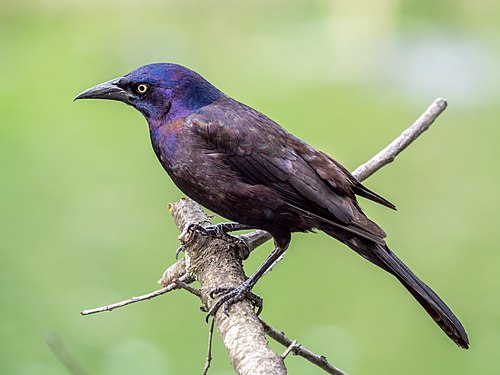
Common Grackle
Quiscalus quiscula

Blue Jay
Cyanocitta cristata

Tree Swallow
Tachycineta bicolor

Yellow Warbler
Setophaga petechia

Carolina Wren
Thryothorus ludovicianus

Barn Swallow
Hirundo rustica

Baltimore Oriole
Icterus galbula

Brown-headed Cowbird
Molothrus ater
📅 Monthly Probability
☀️ When They're Spotted
Most active during daytime hours (6am–6pm) · across all parks (global)
Global Distribution
Where this species is recorded worldwide. Restricted to human observations from 2019 onwards — the same kind of record and the same period the probabilities on this page are built from, so collar-tracking studies, camera-trap arrays and museum specimens are excluded. Around Santa Rosa that removes 5,924 GPS fixes from a handful of tagged jaguars.
where this species is recorded (GBIF density — it tracks where observers go, not how likely a sighting is) · parks where it occurs — tap a pin for the sighting probability there
Parks Where Found
Quick answers
What are the chances of seeing a Cedar Waxwing in Point Pelee National Park?
About 35% of wildlife watchers report a Cedar Waxwing sighting in Point Pelee National Park, based on 4,705 days of visitor records from GBIF citizen-science data.
When is the best time to see Cedar Waxwing in Point Pelee National Park?
August has the highest sighting rate for Cedar Waxwing in Point Pelee National Park in our monthly data.