


Cliff Swallow
Petrochelidon pyrrhonota
- KingdomAnimalia (Animals)
- PhylumChordata (Cordats)
- ClassAves (Aus)
- OrderPasseriformes
- FamilyHirundinidae (Swallows and Martins)
- GenusPetrochelidon (Cliff Swallows and Allies)
- SpeciesPetrochelidon pyrrhonota (Cliff Swallow)
The cliff swallow or American cliff swallow (Petrochelidon pyrrhonota) is a member of the passerine bird family Hirundinidae, the swallows and martins. The generic name Petrochelidon is derived from the Ancient Greek petros meaning "stone" and khelidon (χελιδών) "swallow", and the specific name pyrrhonota comes from purrhos meaning "flame-coloured" and -notos "-backed". Cliff swallows are extremely social songbirds that can be found in large nesting colonies reaching over 2,000 nests. They are frequently seen flying overhead in large flocks during migration, gracefully foraging over fields for flying insects or perching tightly together on a wire preening under the sun. Cliff swallows build gourd-shaped nests made from mud with small entrance holes. They build their nests tightly together, on top of one another, under bridges or alongside mountain cliffs. Wikipedia →
<5% of wildlife watchers report a Cliff Swallow sighting in Grand Canyon National Park, based on 40 days of visitor records from GBIF citizen-science data.
Closest Relatives at Grand Canyon National Park

Violet-green Swallow
Tachycineta thalassina

Tree Swallow
Tachycineta bicolor

Purple Martin
Progne subis

Northern Rough-winged Swallow
Stelgidopteryx serripennis

Barn Swallow
Hirundo rustica

Bank Swallow
Riparia riparia

Common Raven
Corvus corax

Mountain Chickadee
Poecile gambeli

Dark-eyed Junco
Junco hyemalis
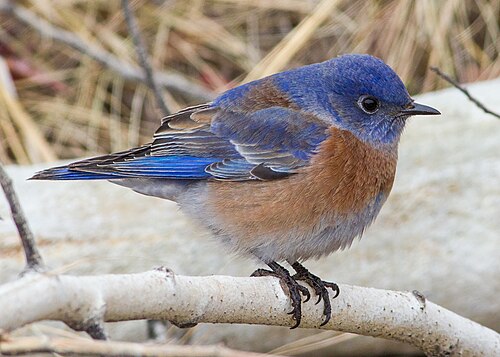
Western Bluebird
Sialia mexicana

White-breasted Nuthatch
Sitta carolinensis

Woodhouse's Scrub-Jay
Aphelocoma woodhouseii
📅 Monthly Probability
☀️ When They're Spotted
Most active during daytime hours (6am–6pm) · across all parks (global)
Global Distribution
Where this species is recorded worldwide. Restricted to human observations from 2019 onwards — the same kind of record and the same period the probabilities on this page are built from, so collar-tracking studies, camera-trap arrays and museum specimens are excluded. Around Santa Rosa that removes 5,924 GPS fixes from a handful of tagged jaguars.
where this species is recorded (GBIF density — it tracks where observers go, not how likely a sighting is) · parks where it occurs — tap a pin for the sighting probability there
Parks Where Found
Quick answers
What are the chances of seeing a Cliff Swallow in Grand Canyon National Park?
About 2% of wildlife watchers report a Cliff Swallow sighting in Grand Canyon National Park, based on 40 days of visitor records from GBIF citizen-science data.
When is the best time to see Cliff Swallow in Grand Canyon National Park?
May has the highest sighting rate for Cliff Swallow in Grand Canyon National Park in our monthly data.